Living Lamp
A lamp that – just like it’s owner – moves, responds, and evolves.
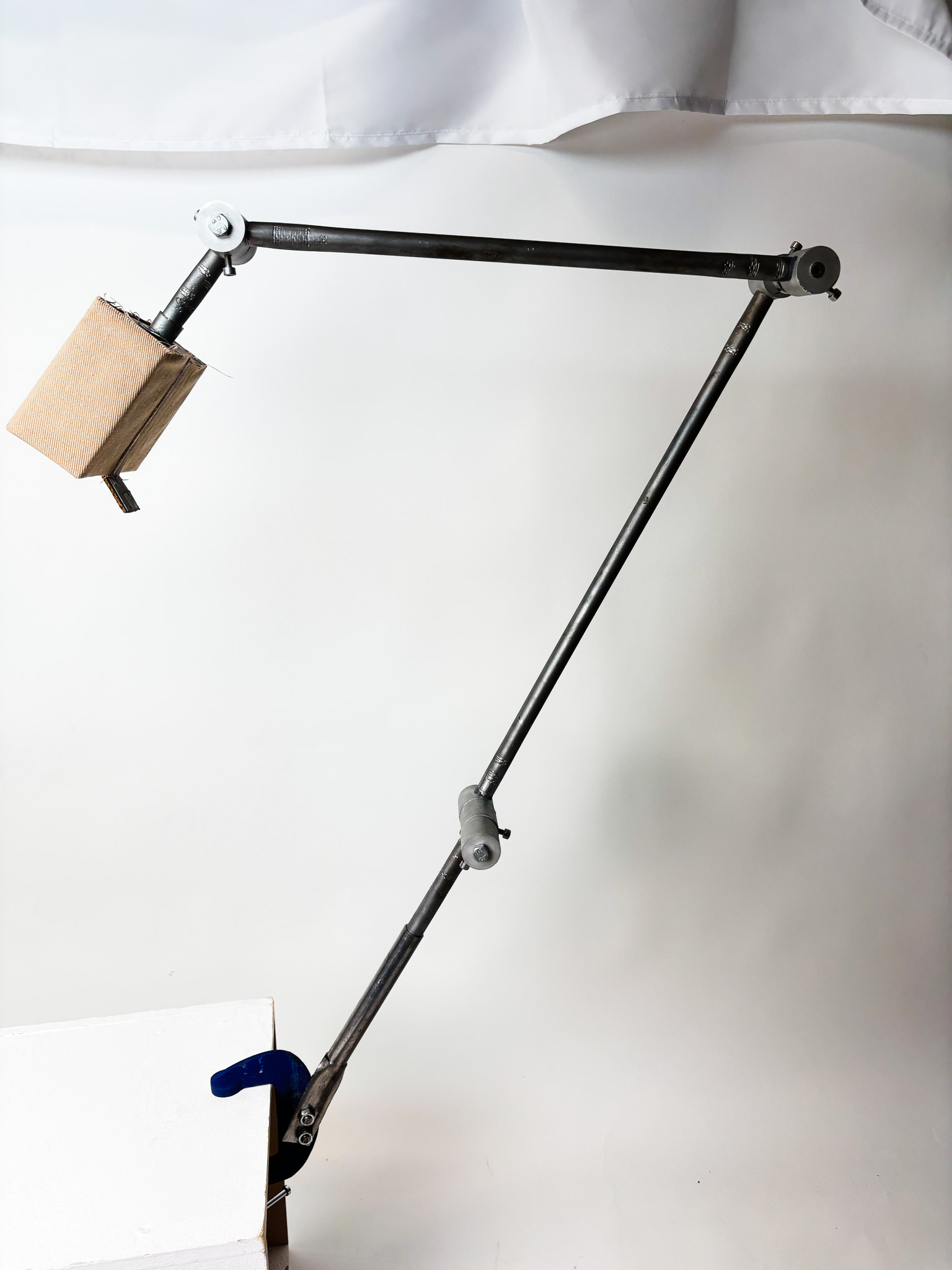
Idea Generation and Introduction
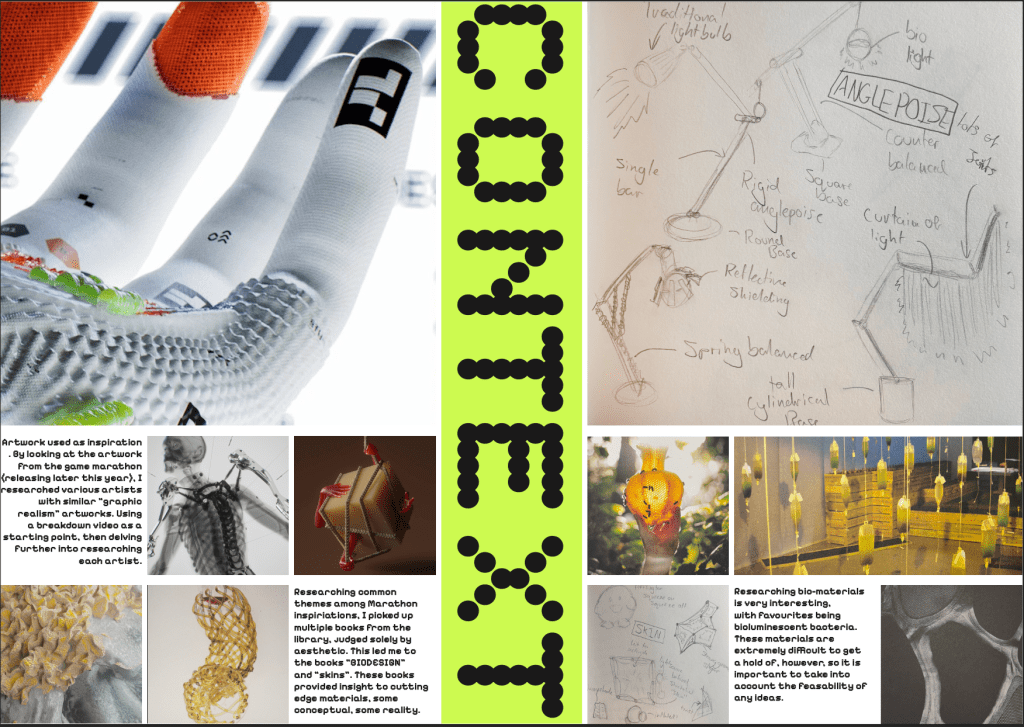
Initial Ideas
Ambition and Inspiration
For my first-year Product Design finale, I picked an ambitious brief to stretch my skills. Of all the projects done this year, I believe I have learnt the most while working on my lamp.
In the final week of the project, it was becoming clear that I would be unable to add all of the features I desired to my lamp. I want to express that I do not regret choosing such an ambitious project, and I will continue to work on this lamp as a personal project even after the deadline.
I have learnt about metal work and electronics, but also about myself and my limits. The choice to actively and consciously push myself rather than playing it safe with something that perhaps aligned more closely with the brief or was maybe less ambitious, is a choice I believe will be ultimately beneficial for me down the line.
Pushing my Skill Set
Before this project, I had never touched an Arduino, only ever made a circuit in physics class, and had spent almost no time within the metal workshop. While writing this, I feel much more confident in my abilities, while also having a better understanding of what those abilities do and do not cover.
Why a Lamp, Not a Catapult?
While I do like creating table tennis bats and wooden catapults, they aren’t in constant use and space is limited. I would prefer to have something I can actually use on at least a weekly basis. This philosophy also helps push me to create the best object I can.
Material and Visual Research
First design concepts
Starting Point
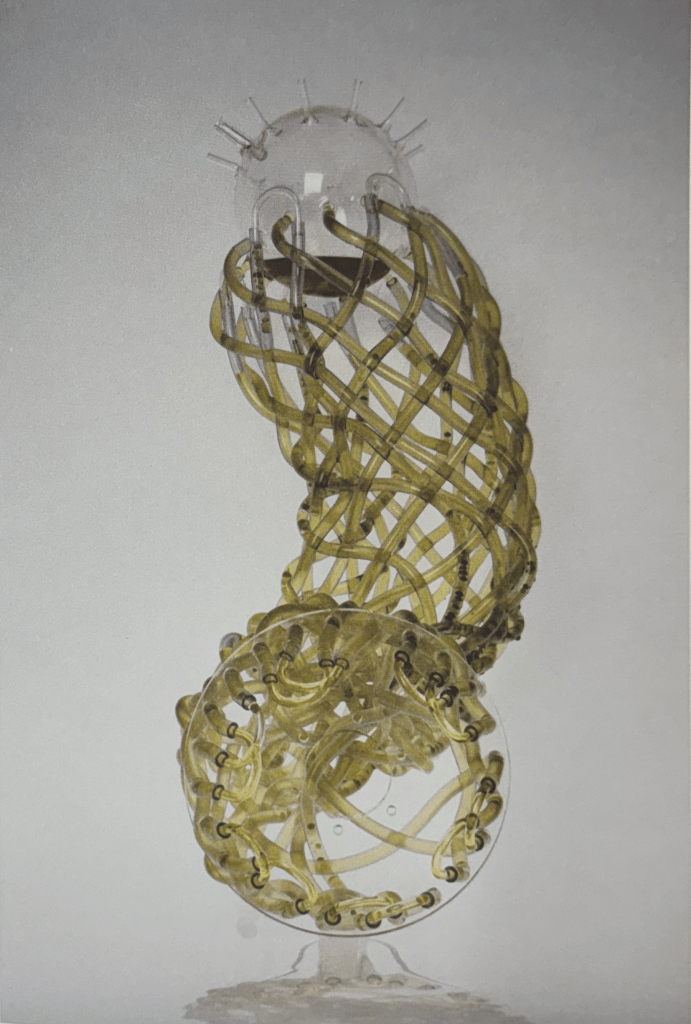
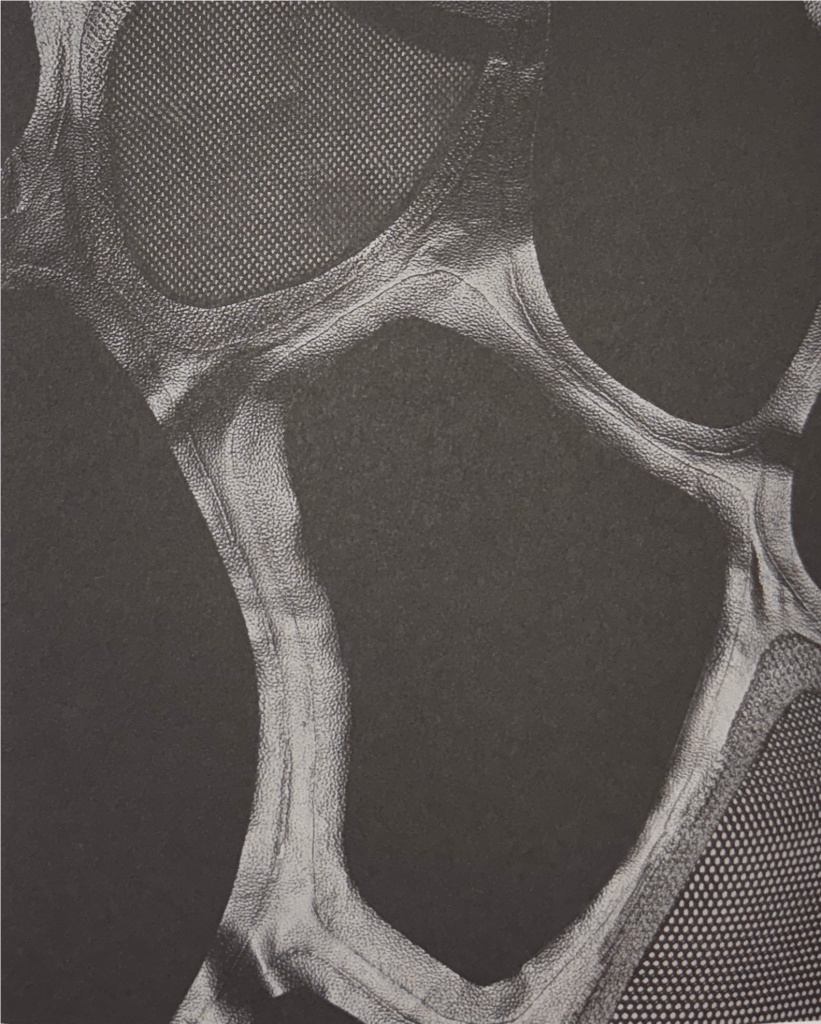
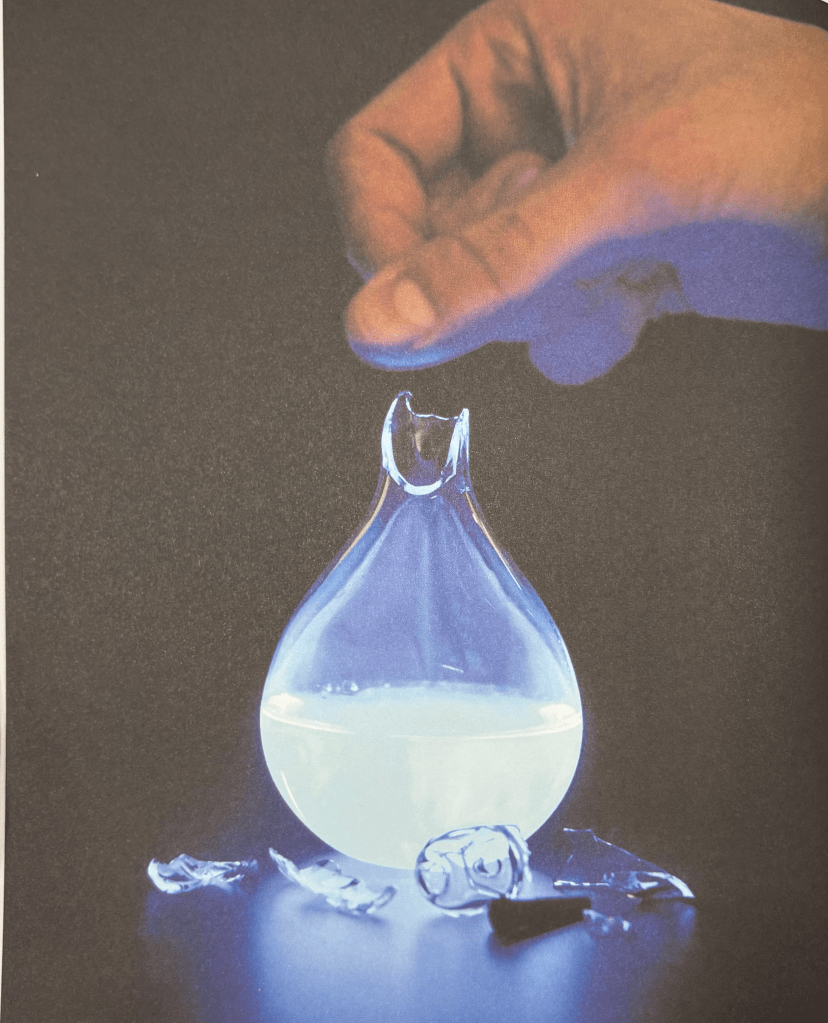
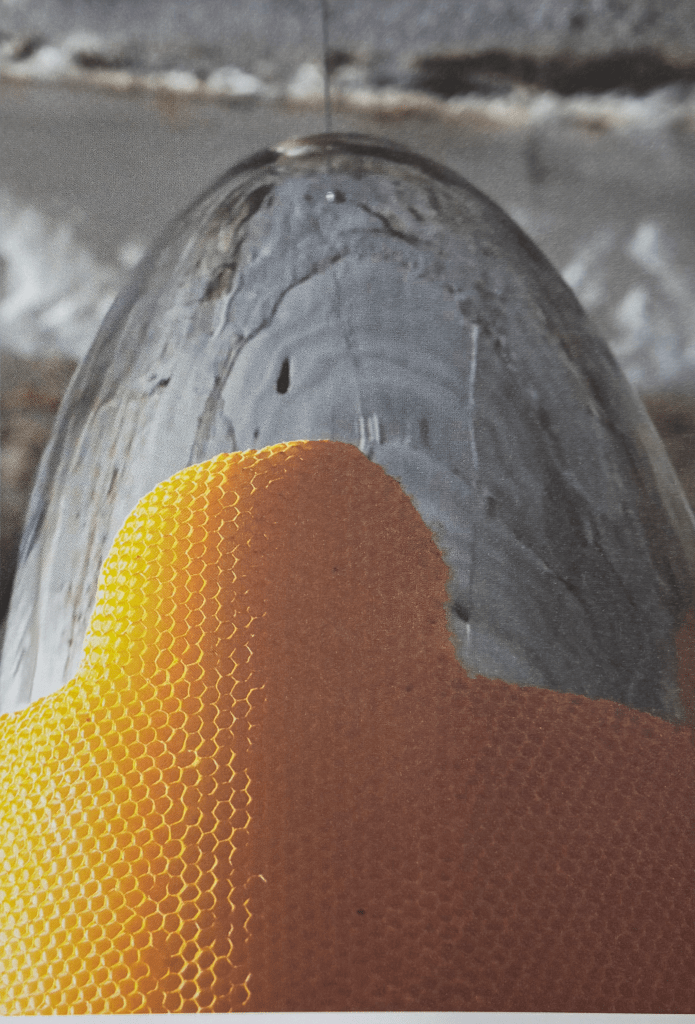
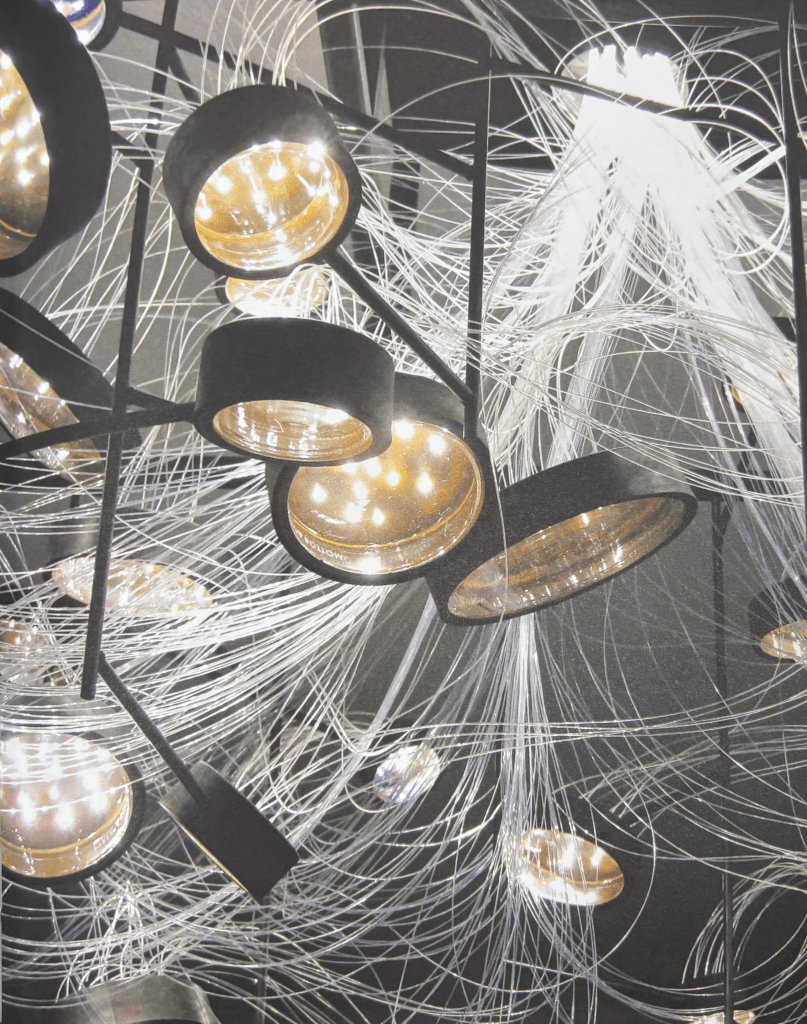
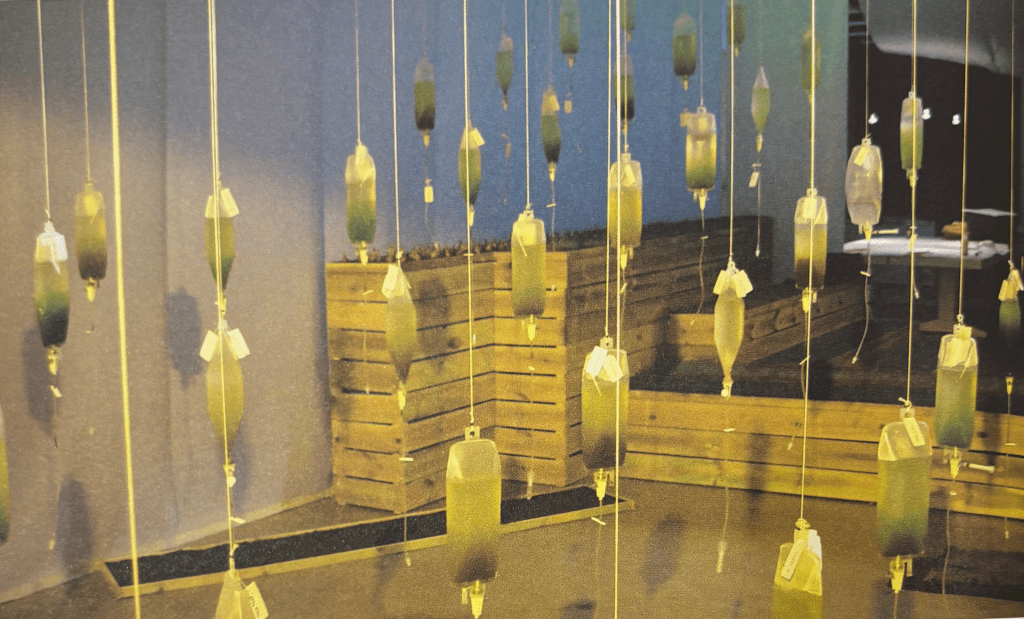
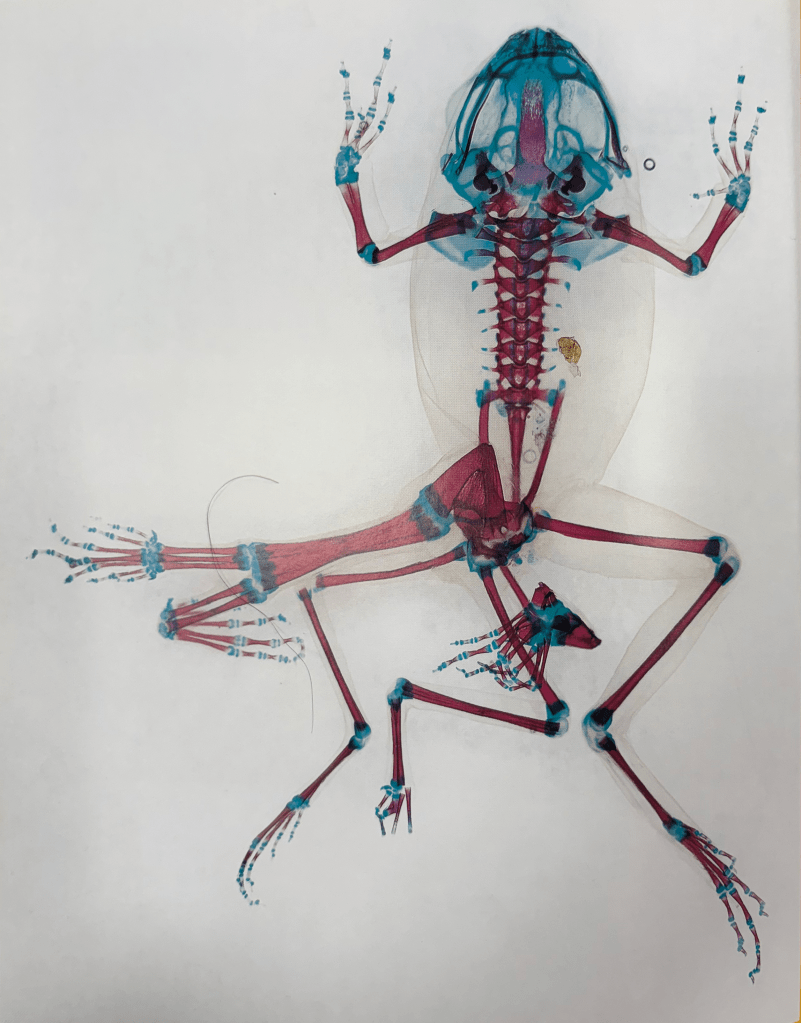
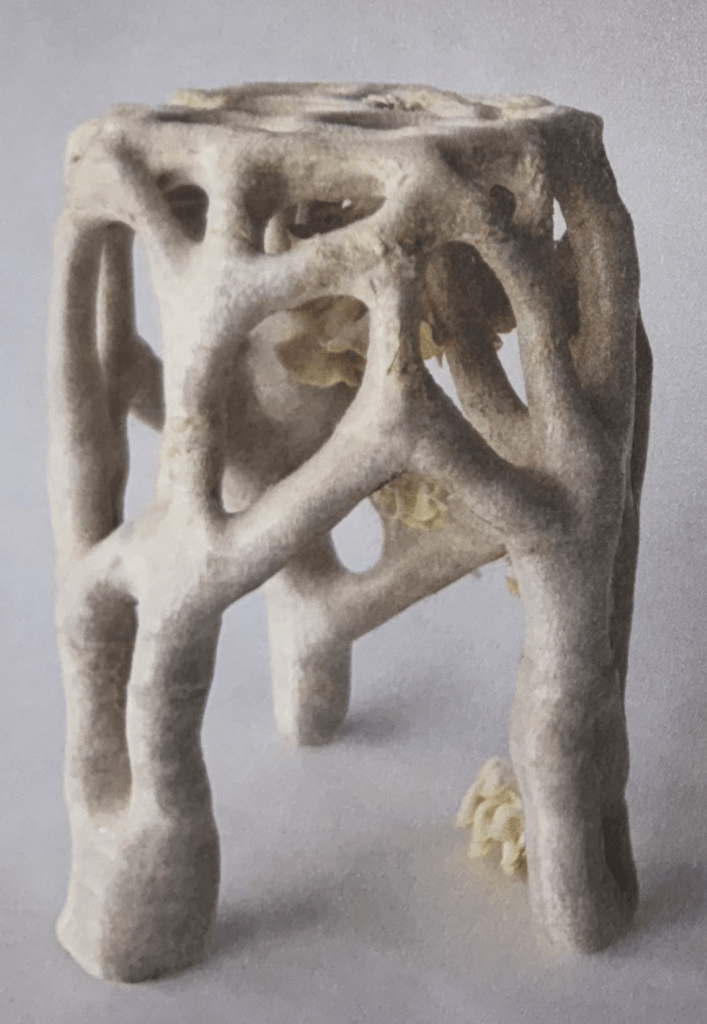
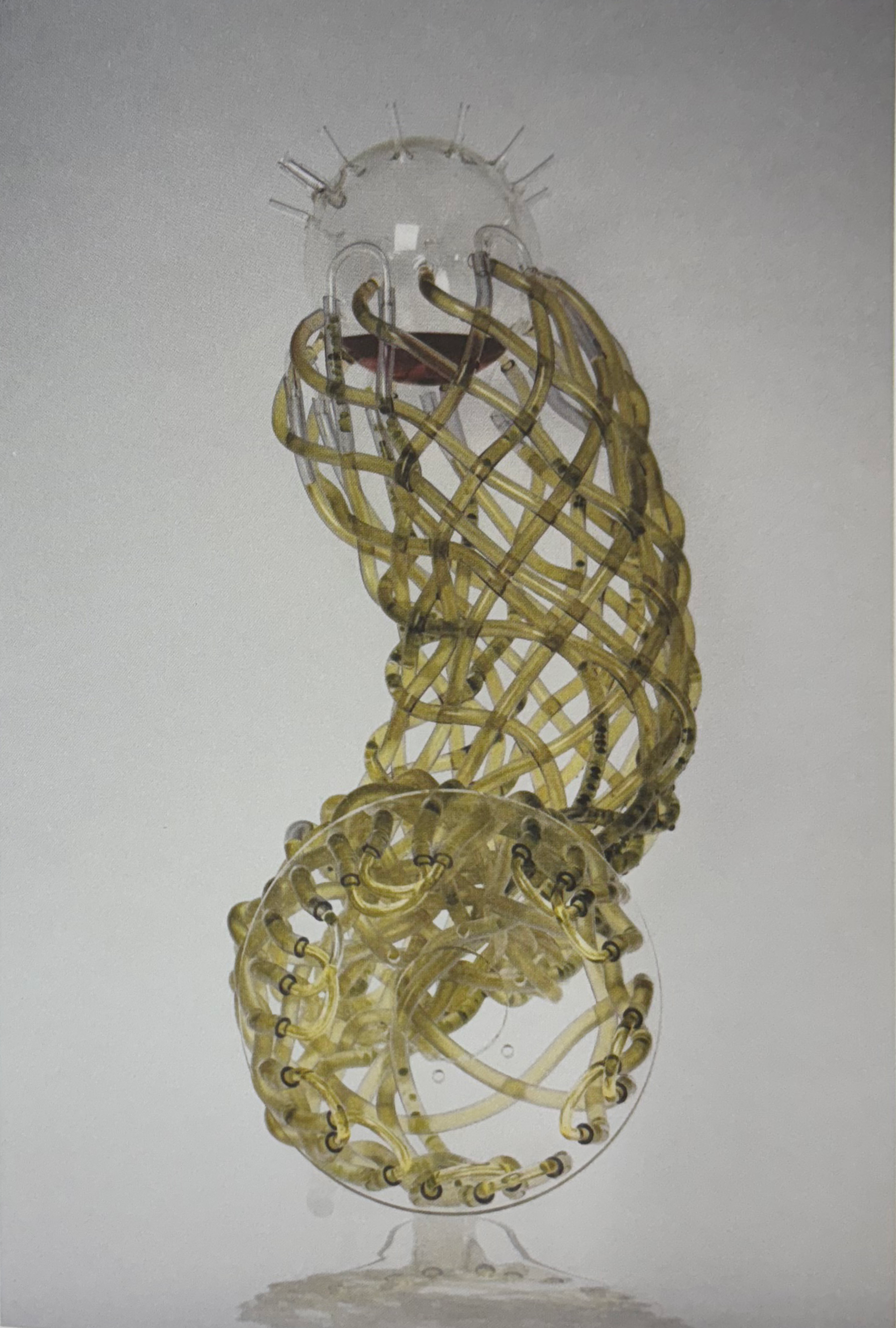
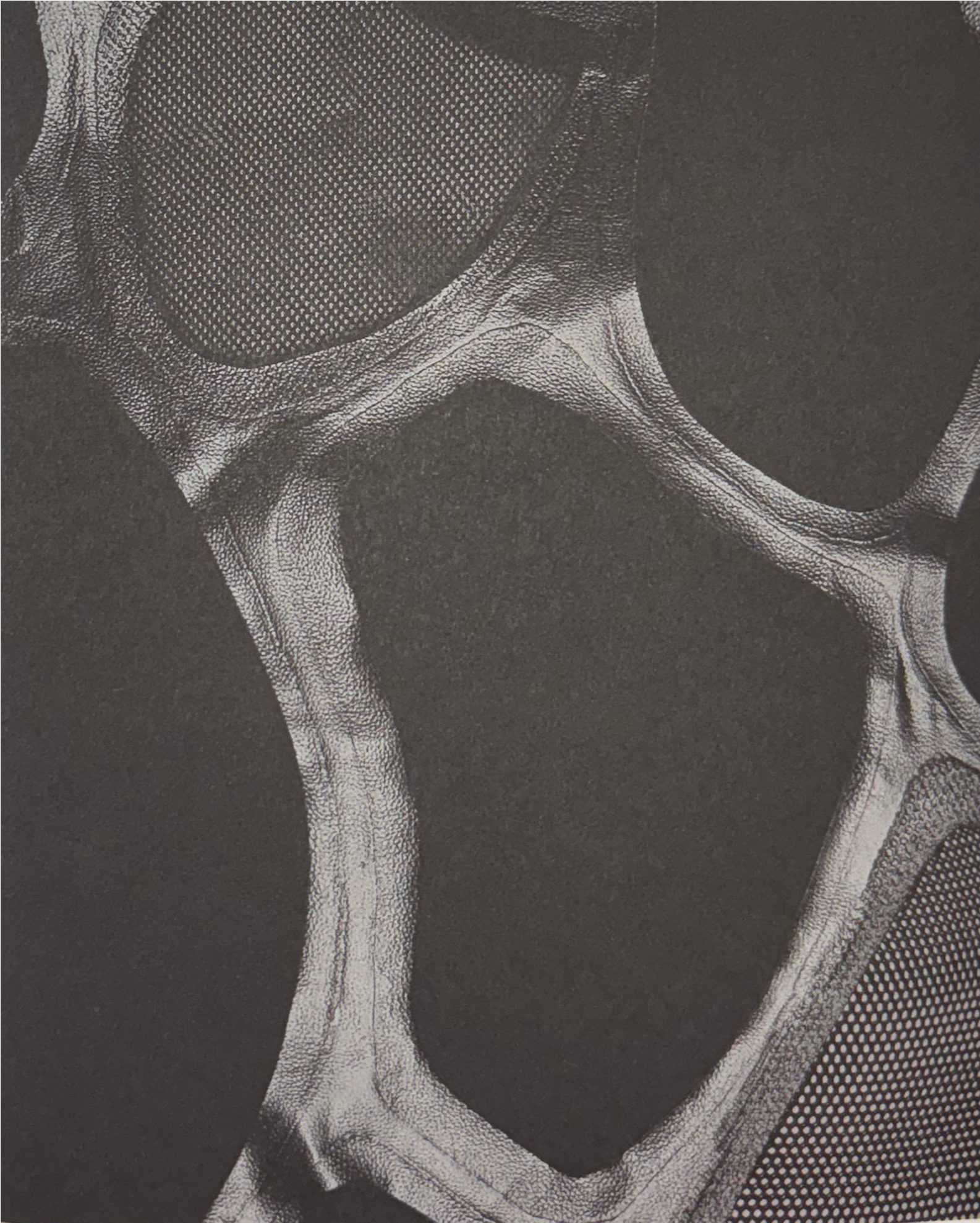
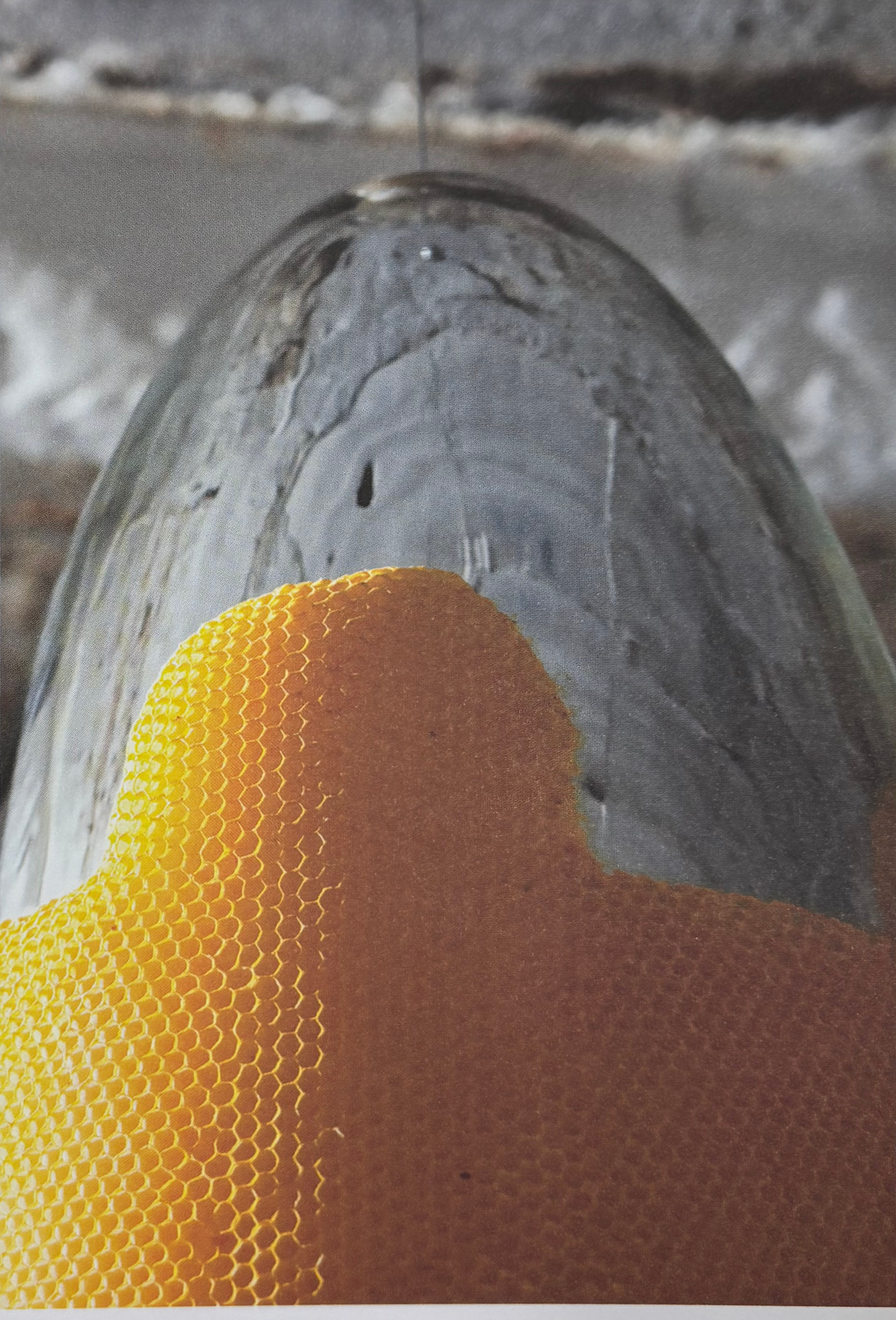
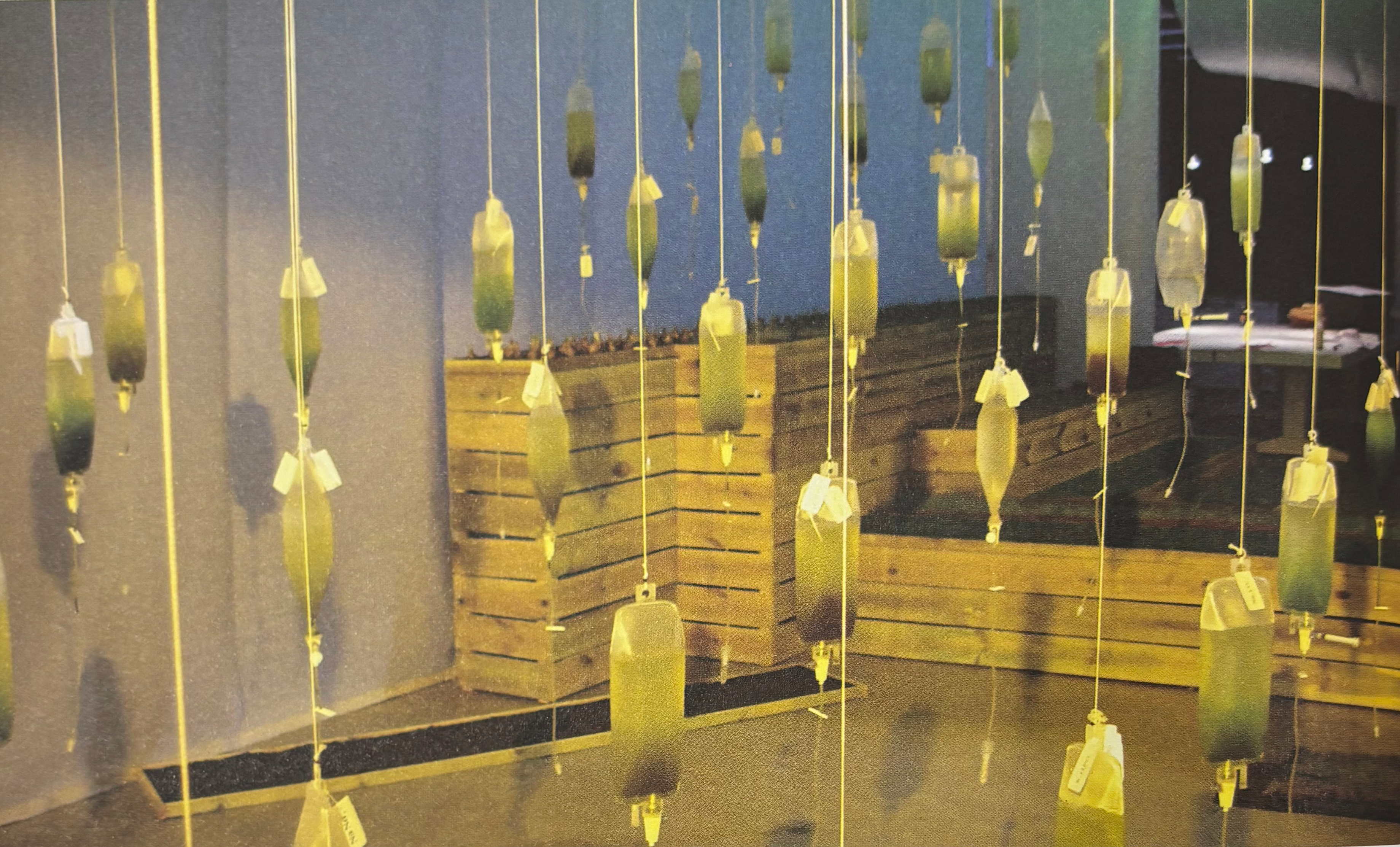
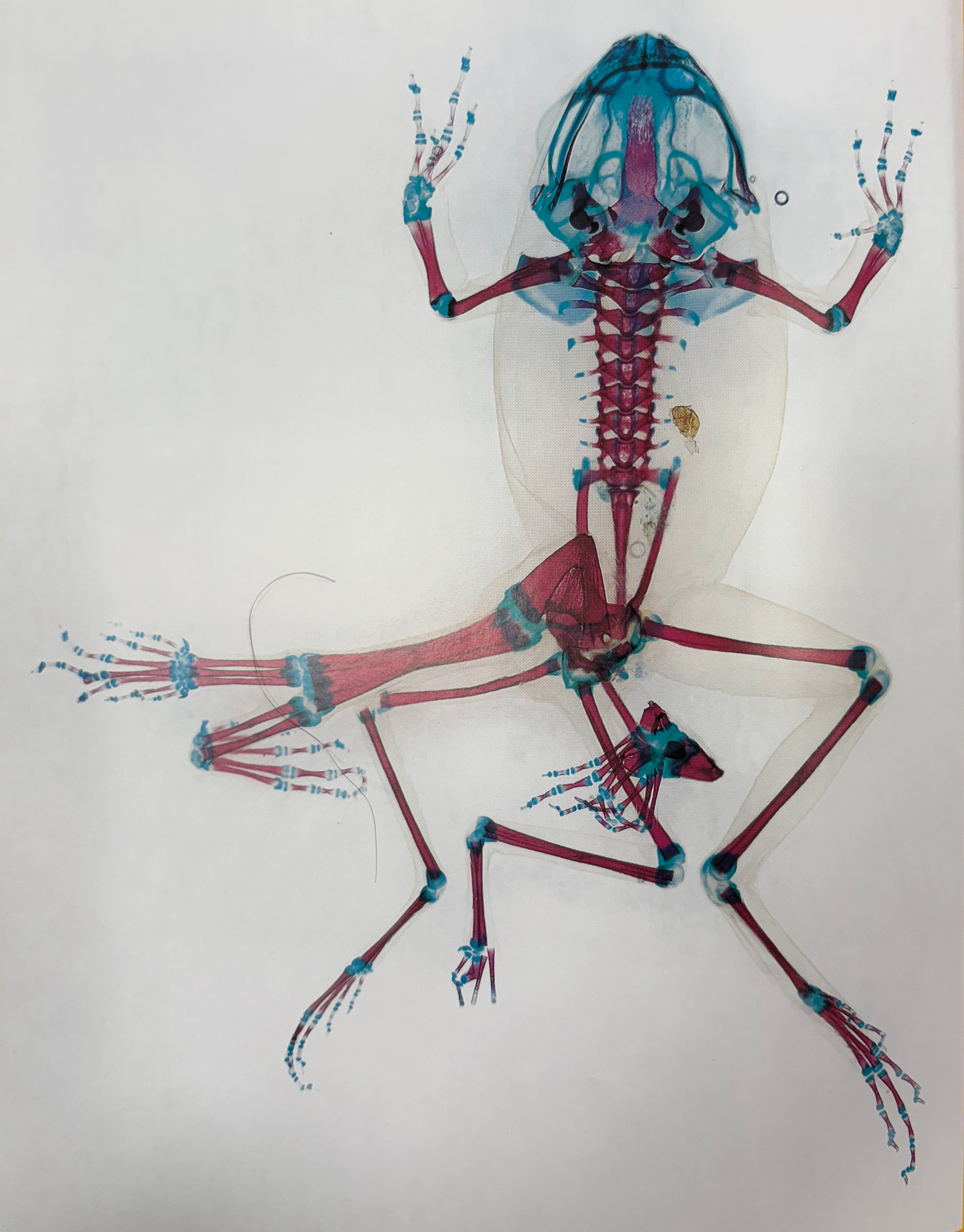
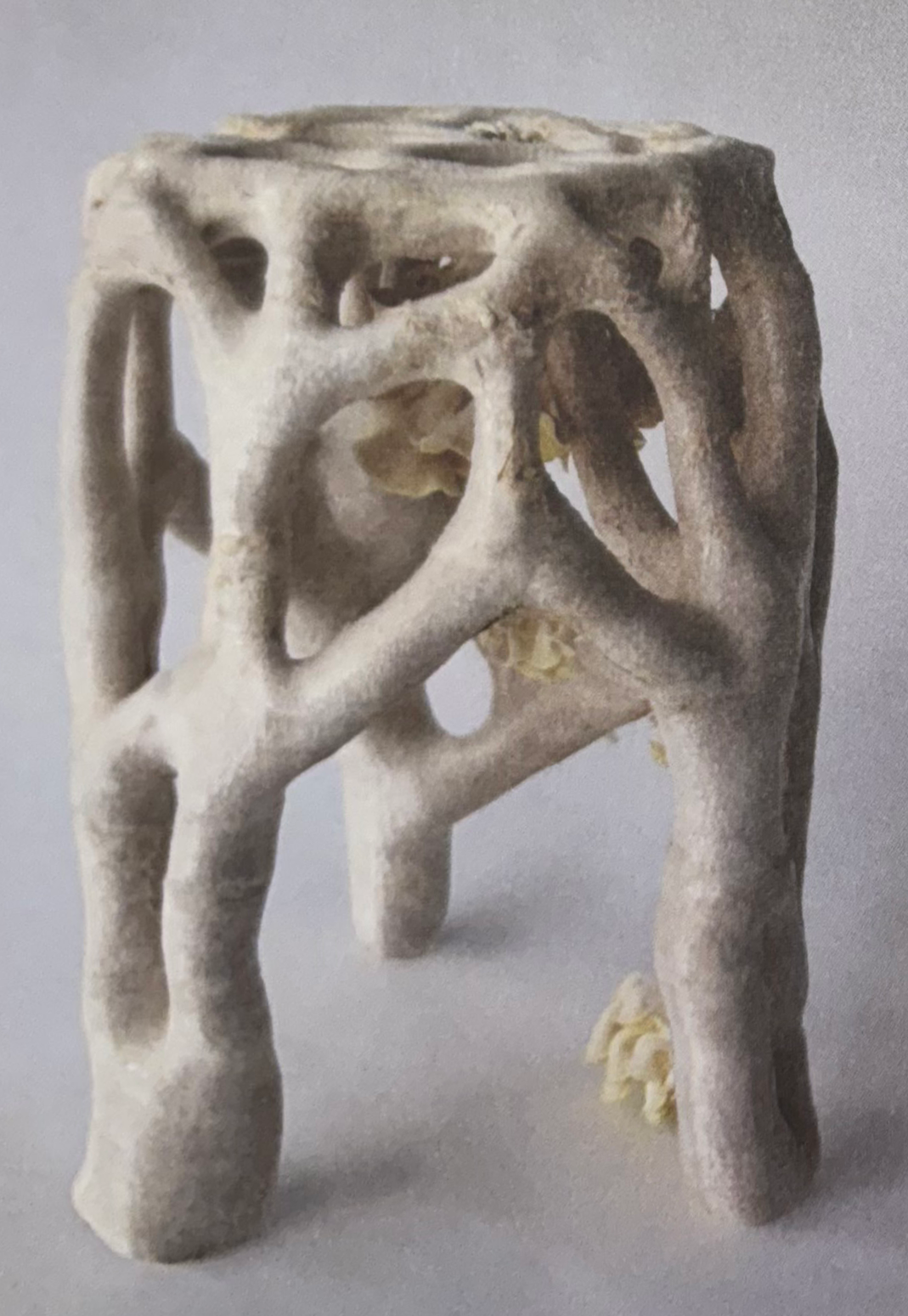
The brief emphasised provenance as a driving factor for how we should go about designing our household item. Thus, I started my research by going to the library and finding various books on new, cutting-edge materials such as living leather, and bioluminescent bacteria.
The books used were: Bio-Design (by William Myers) and Art + Science Now (by Stephen Wilson). Flicking through the different fascinating projects done by scientists, designers, and artists.
I picked out a few of my favourites.
Form Sketching
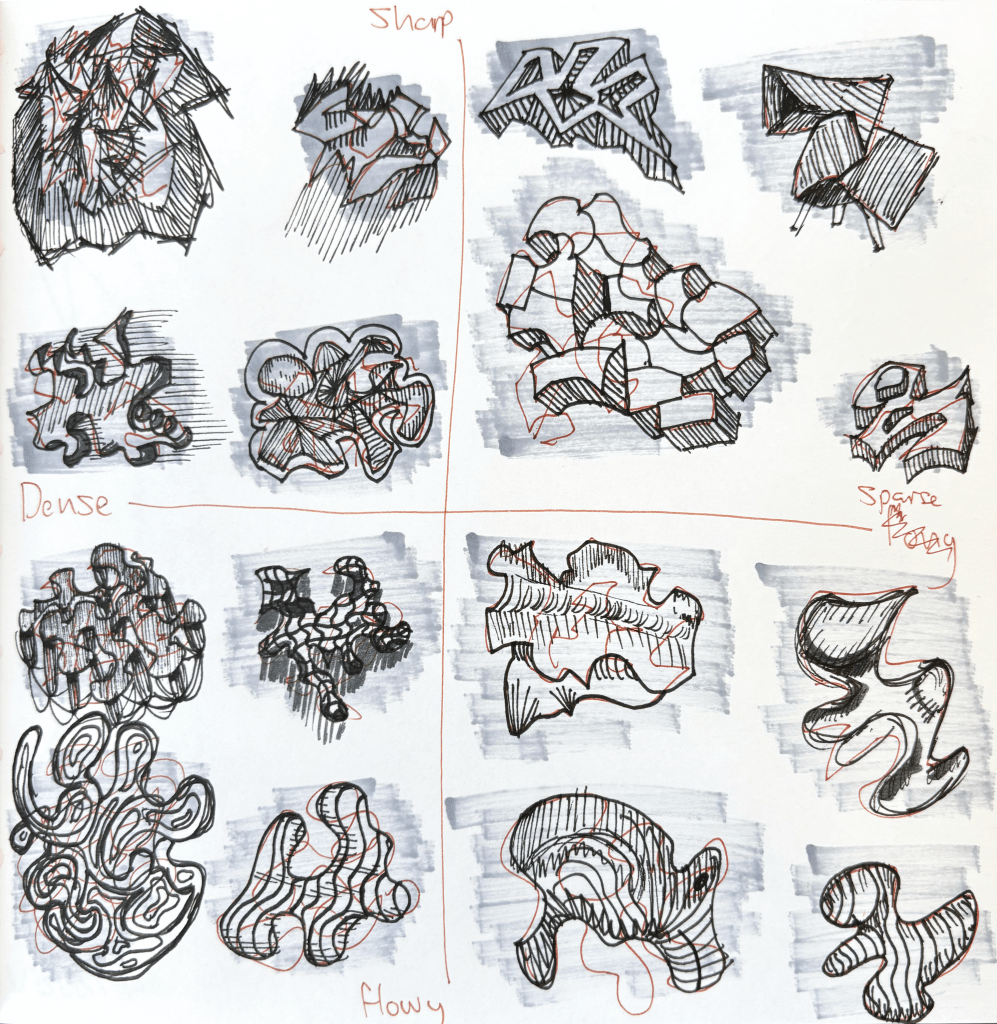
I did various form sketches to try and get an understanding of what I wanted my lamp to look like, as well as draw inspiration from a more instinctive source than books or mind-maps. This process was done by first drawing scribbles on two-axis representing sparsity and fluidity, and deciding how to turn these lines into forms after. While this page was experimental and ultimately holds no likeness to the final project, I still believe that this is a valuable exercise in initial idea generation.
Marathon Influence
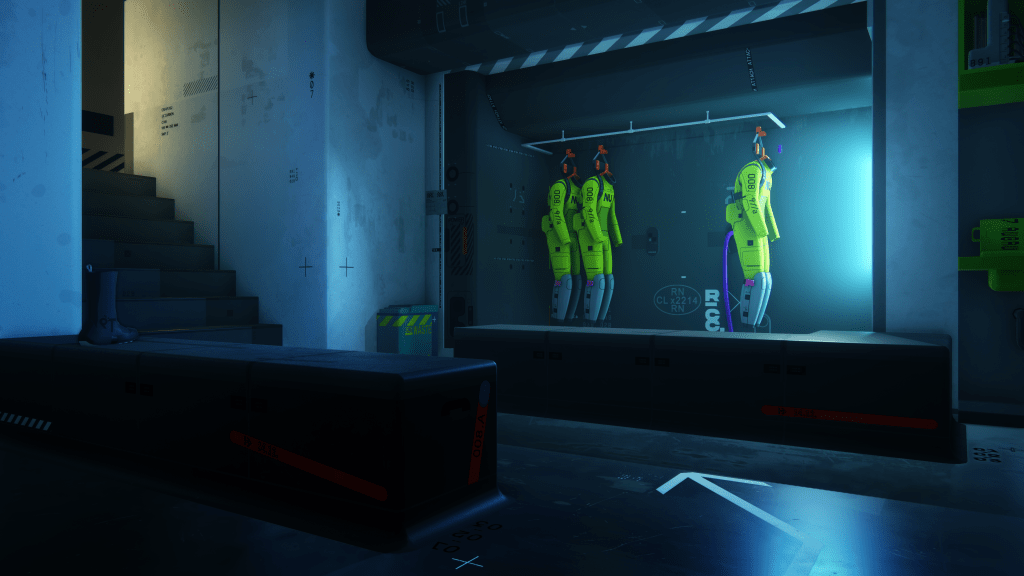
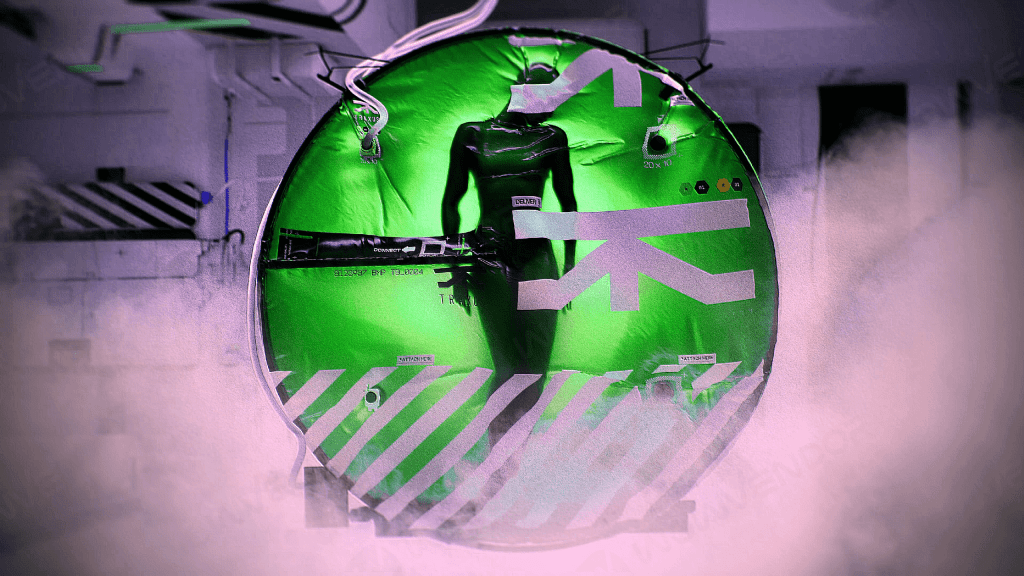
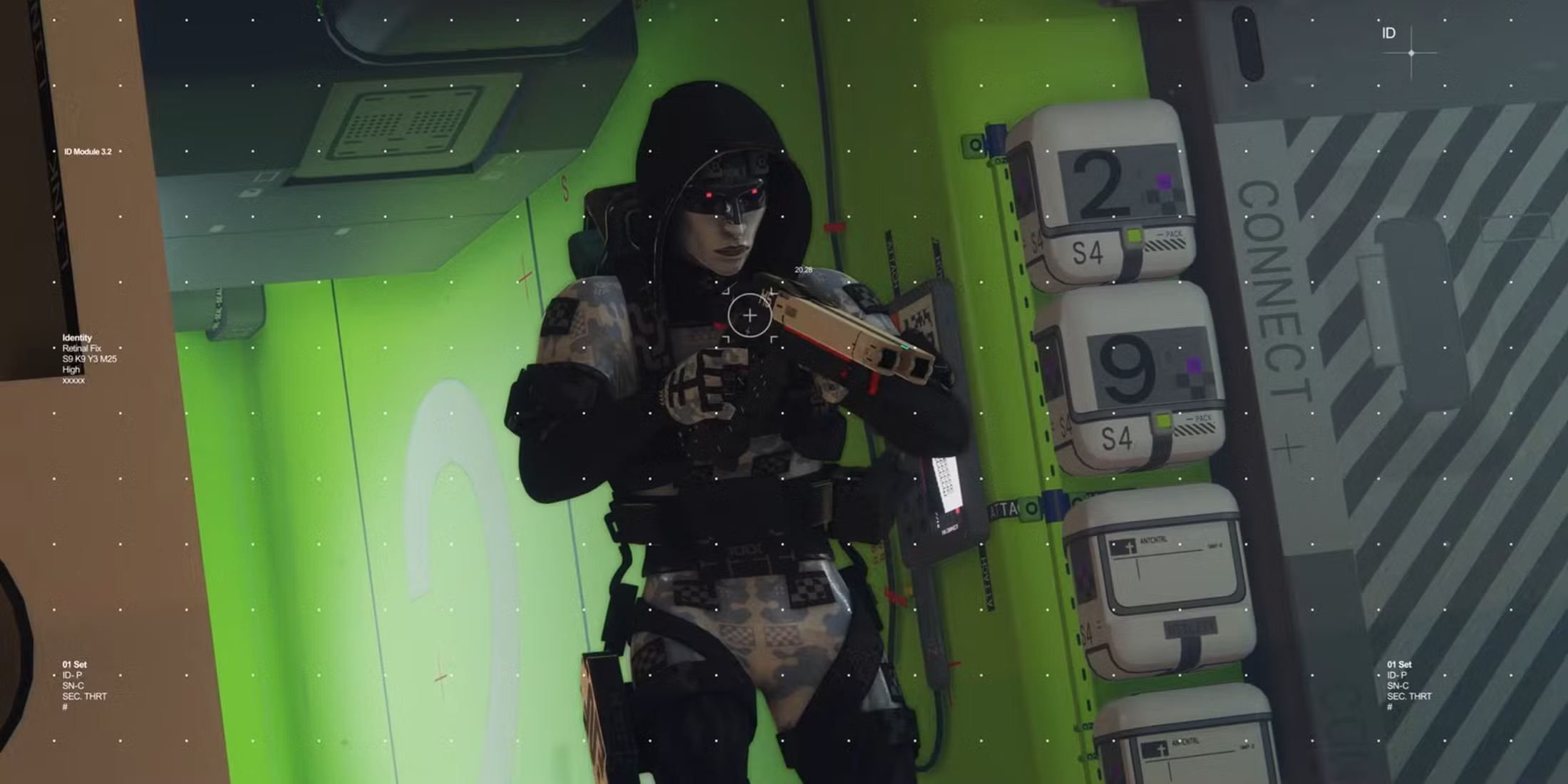
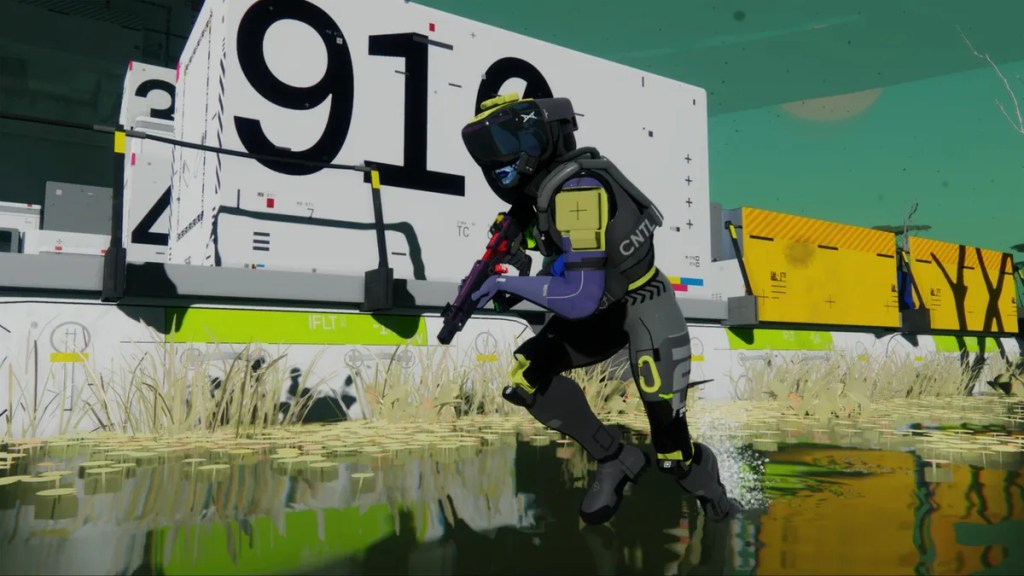
Much of my initial research was from the currently unreleased game “Marathon”. Having used this video by Jake The Alright as a jump start in researching the style for myself, I created a vast mood-board, using pieces of artwork and design from artists that also played key roles as inspiration for the original style.
Marathon’s aesthetic focuses on raw functionality, while also having a theme of artificial life. The environments are raw and unpolished, like they just came out of a factory, and the characters played are supposedly “printed” with consciousness uploaded to their empty shell.
While visually, Marathon and even the material research didn’t directly impact my choice of materials, the philosophy and common themes behind my research strongly influenced my mindset, and the project as a whole. Although still making an object that fit the brief, the project evolved and came alive. I wanted to create something that had undeniable originality and personality, something that people could have a real connection with – not just another lamp, or another side table, or another cup. Something fresh.
Initial Prototyping
Sampling Early Hardware
The two constants in design – for me at least – are wishing I had more time, and wishing I had made more prototypes.
The Living Lamp is the first project this year that has grabbed my full attention. In week 11 of 12, I could see the light at the end of the tunnel, but I wouldn’t be able to reach the level of originally desired level of polish. I will continue to work on this project well after the deadline, since my ambitions for this project are seemingly never ending.
Prototypes
The prototypes I managed to complete were mainly for the hinges, which caused me intense frustration later on even after prototyping.
The prototype made of simple white foam and glue was to give me a better idea of scale and form, while also providing a possibility for a hinge design. I learnt that I would either have to add more flexibility than planned, or almost double the arm length. I decided on both.
It was at this point I was discussing various possibilities with Mike that it was suggested I could add movement to the lamp with an Arduino. I have very little understanding of electronics, and have no experience with it, but the idea of a lamp that could move of it’s own volition was such an appealing idea to me that I had to at least humour the idea.
Help From Family
When I think of living objects, and how a user would interact with it, I think of my brother Tim Murray-Browne, and how no one knows more about it than him.
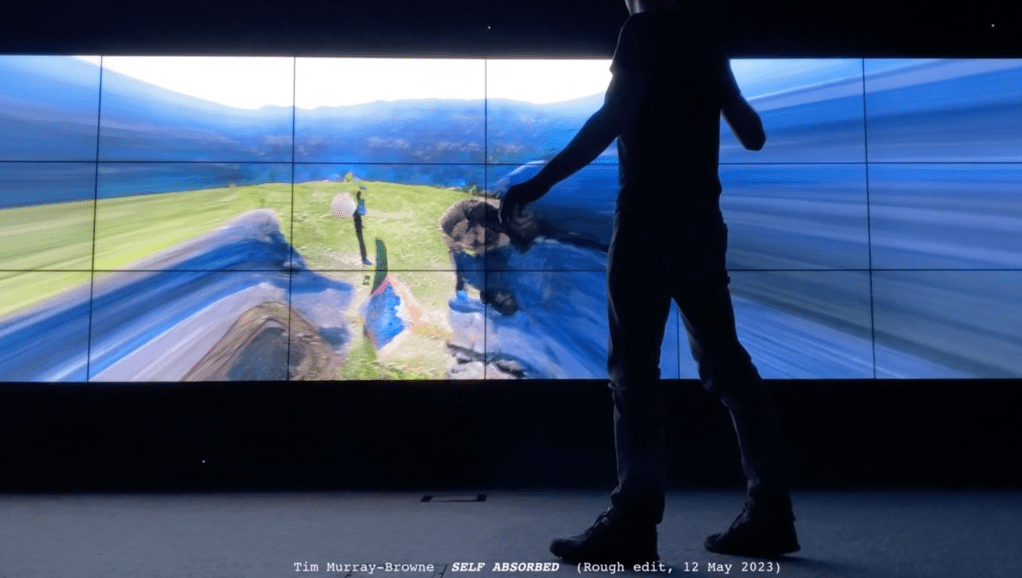
Tim Murray-Browne is a computational artist, engineer, coder and researcher based between Montreal, Glasgow and London. His work explores AI, embodiment and how technology shapes our minds. Holding a first-class degree in Mathematics and Computer Science from Oxford University and a PhD in Interactive Music from Queen Mary University of London, he connects dance, image, sound and algorithm to create interactive systems that aim to recover the parts of human wildness left behind by technology. (from https://timmb.com/about/)
Tim broadened my horizons on the project even further than the initial idea of movement had, while confirming that movement was not only possible, but totally doable, although at this point, I had not discovered the full scope of the complexity.
Hardware Experiments
Onboard LED
I begun experimenting with an Arduino lent to me by Diego (belonging to Polly), and with the help of ChatGPT explaining wiring and adjusting code examples to suit the MKR1000, I first managed to make the onboard LED flash. A small but important first step.
External LED
Step 2 was using the pins on the Arduino to power an external LED, and again with some help from ChatGPT, I managed to get the external LED powered.

Stepper Motor
I ordered DRV8833 driver, NPN transistors and a 9v PSU to test motor control. My goal was to get my stepper motor to move, since this was a scaled down version of what the end product would be using. After ChatGPT insisting on me purchasing transistors, stepper motor drivers, and voltage regulators, I finally got to the wiring.
It was simple, just connect the four cables from the stepper motor to the driver.
I was quite confused at this point as I stared at the three cables on what I had mistaken to be a stepper driver – but was actually a three-wire servo motor – much simpler to both wire and operate.
Eventually I managed to successfully wire the servo motor, which was even easier than the stepper motor would have been, et voila:
We finally have movement Having done all the electrical building I could without taking the leap on buying the final components that would be used in the actual product, I moved onto designing the lamp proper.
Digital Prototype (Fusion 360)
Drag to rotate, scroll to zoom.
Notes on current design
I originally aimed to have counterweights that would help with the balance of the lamp. These would not make it to the final design however, as the additional weight for the motor controlling the bottom hinge would have been too great, and the lamp was already getting heavy.
This model took great effort and help from piers to make, and I learnt a lot while making it. A 3D model helped visualise my ideas in 3D space, however due to my underdeveloped CAD skills, I found the effort to making quick changes to the design not the be worth the outcome – at least compared to sketching on paper.
Finalising Design
Specifics and Mechanical Engineering
Sketching Components
I took some sketches I thought were pretty good to Anthony, one of the metal workshop technicians.
Drawing more sketches in the library, I figured out the exact dimensions of the each component of the lamp, so that nothing done in the metal workshop would be without strict planning.
Hinges
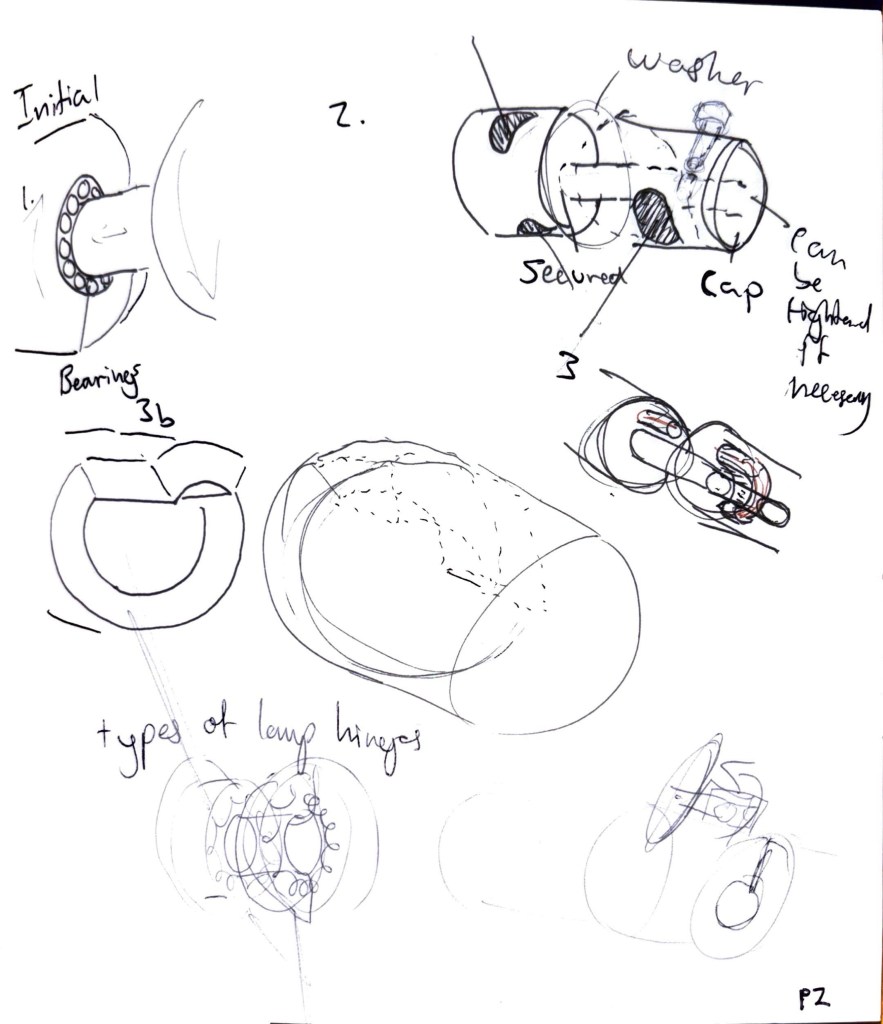
All components, that is—except for the hinges. After consulting one lecturer, two technicians, two books, one company, three different ChatGPT models, and perhaps ten websites—and after drawing five pages of sketches and two 3D models—I think I have a hinge design that will work.
I am not an engineering student, so I leaned hard on sketches and technician advice.
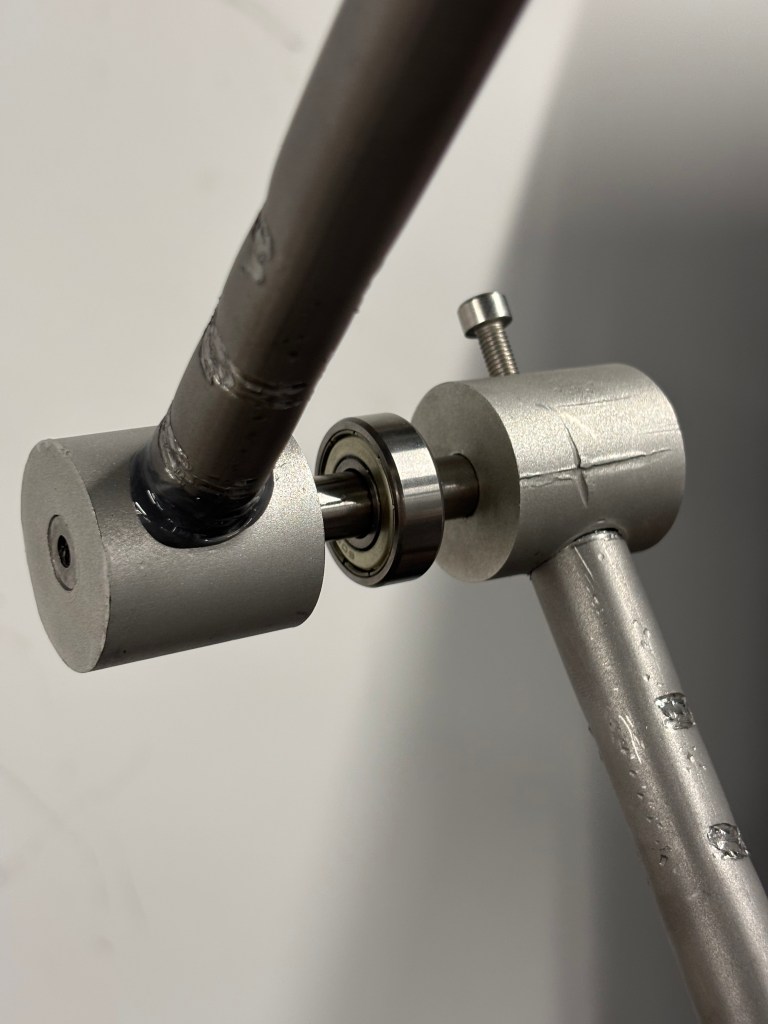
The hinge will work by two cylinders rotating on the same axle in the middle. My main issue is I am so pressured for time that it is not certain I will be able to properly implement the Arduino and motors, so I have decided to add a locking mechanism just in case. This was the main headache, but I eventually settled on a simple design of a screw hole that would house a bolt pushing a small amount of rubber onto the axle, hopefully applying enough friction to keep the lamp steady.
Additional Sketches
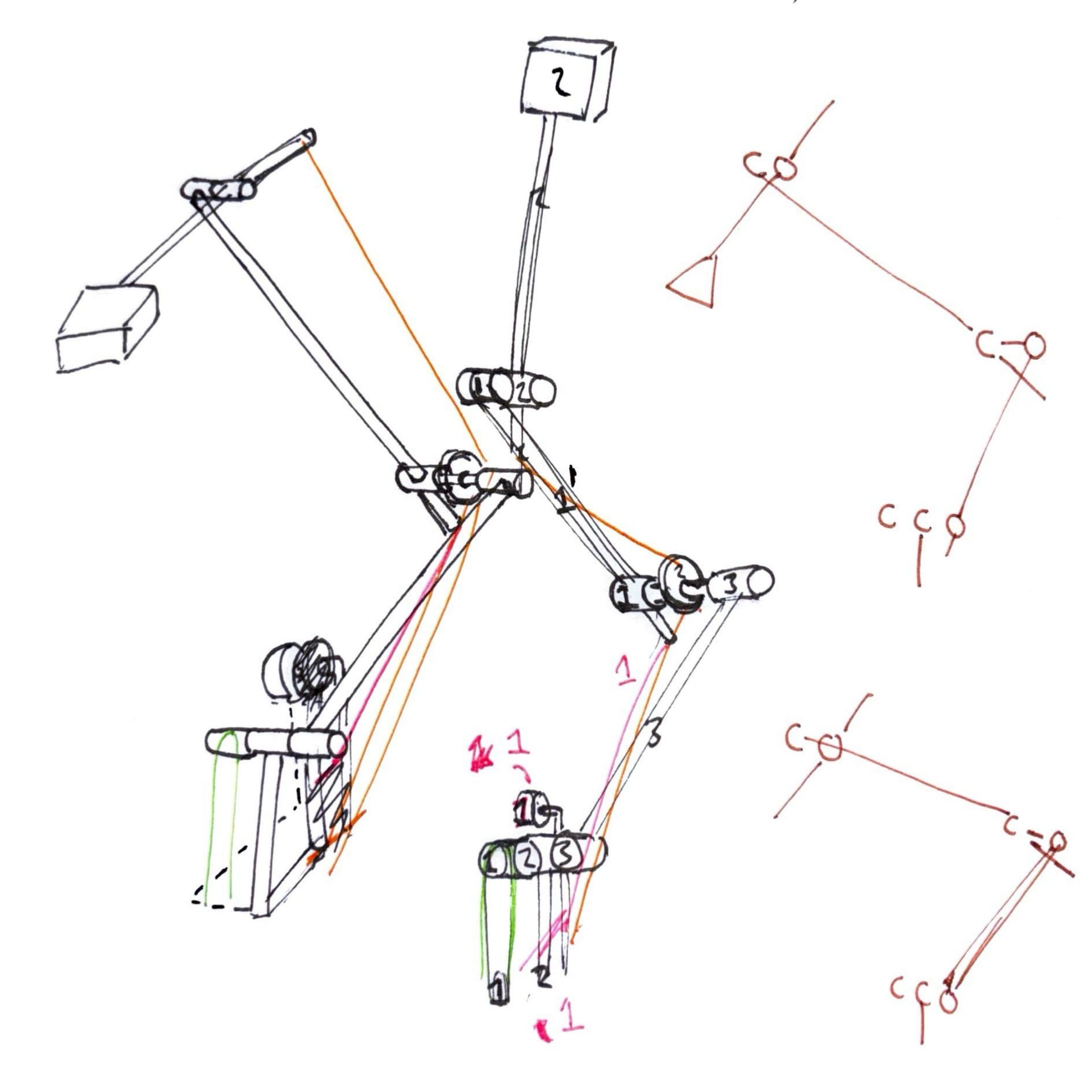
See More…
Grounding and Conceptualisation
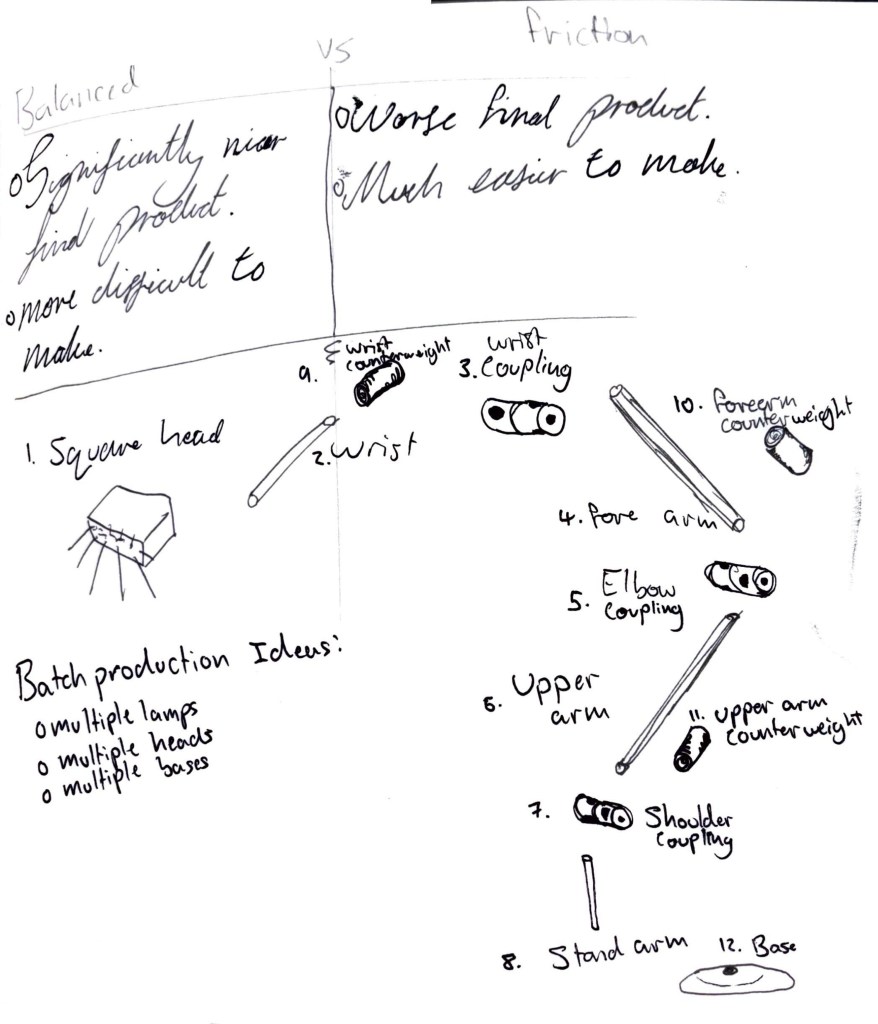
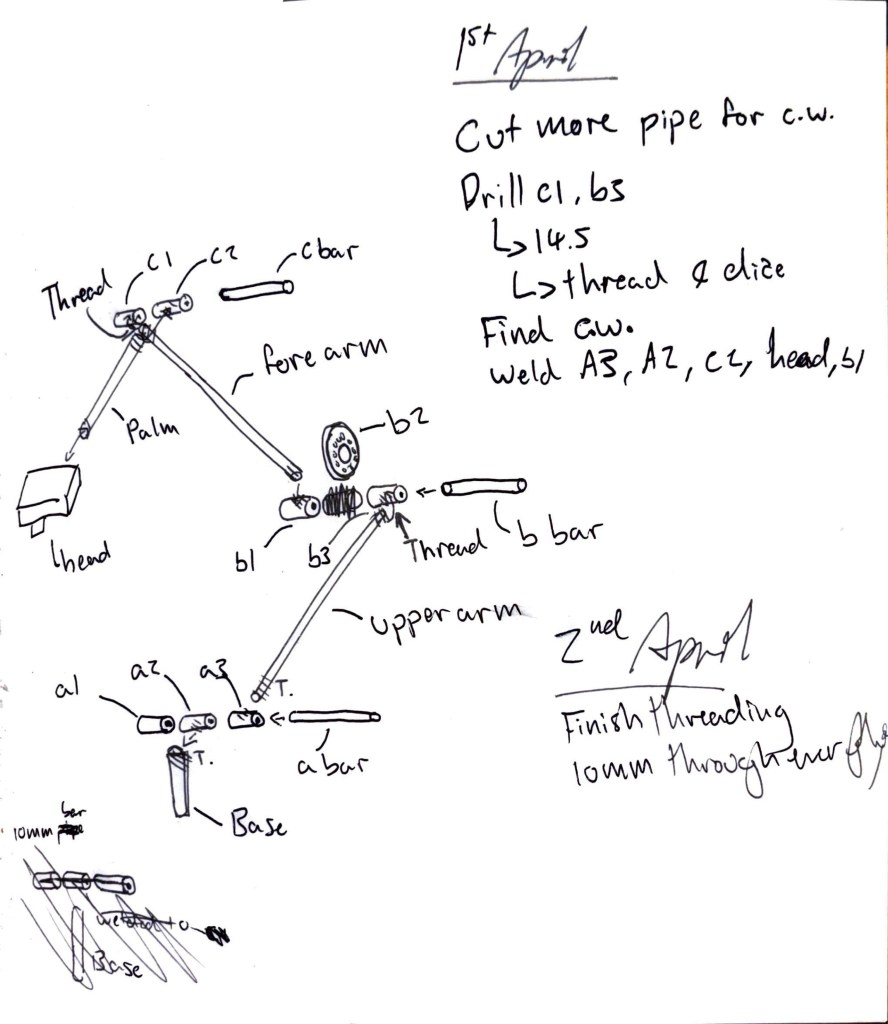
Throughout the design process, I would constantly be sketching the design to both help visualise the design, but also to ground myself and set a clear next step.
With a project as complicated as this, it is easy to get lost in the infinite. When there are a million tasks ahead of you, it’s tempting to sit back and think about what to tackle first – when actually you will need to tackle all of it eventually, so it best to make a start sooner rather than later.
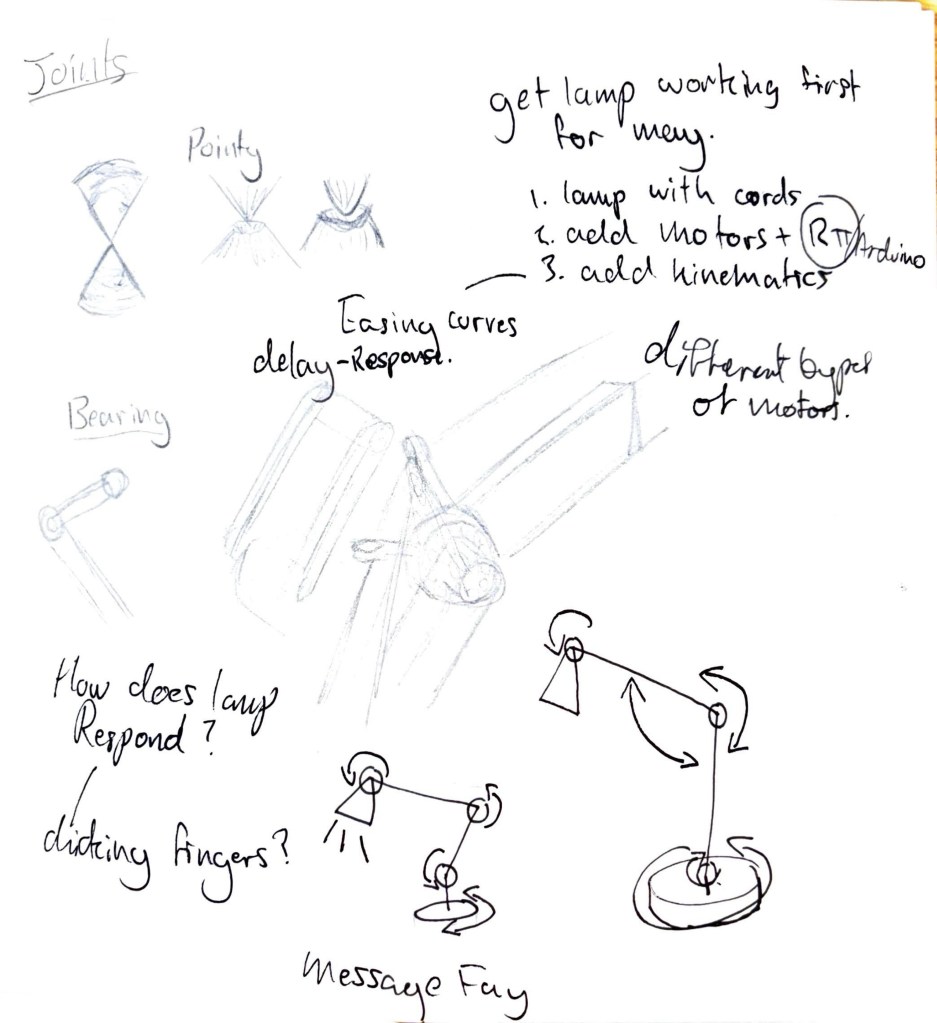
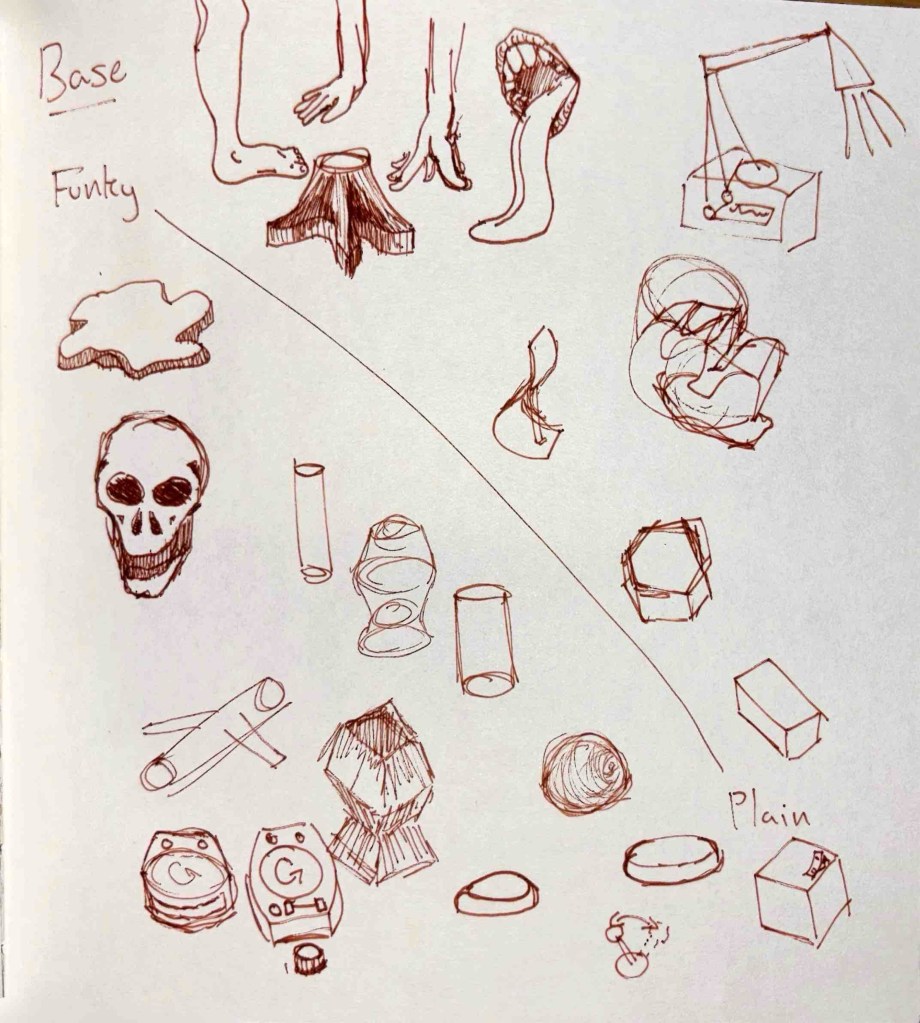
Base concept page 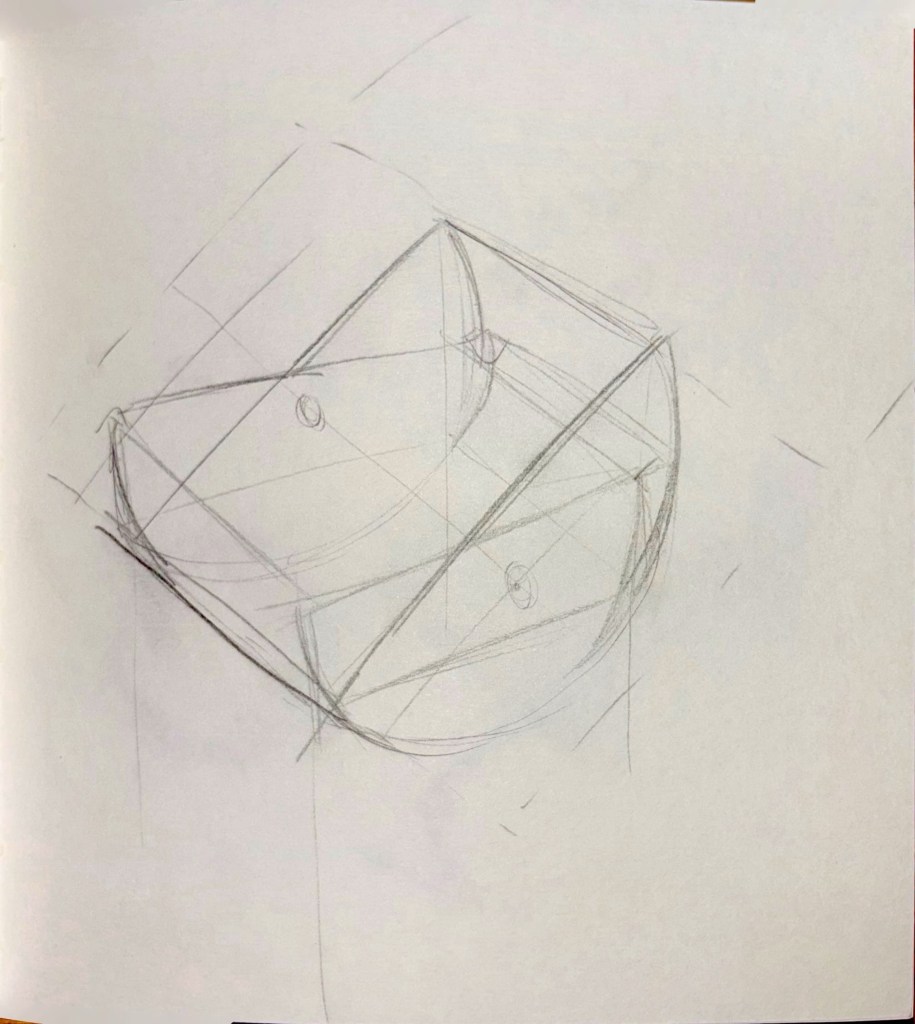
Flush switch design 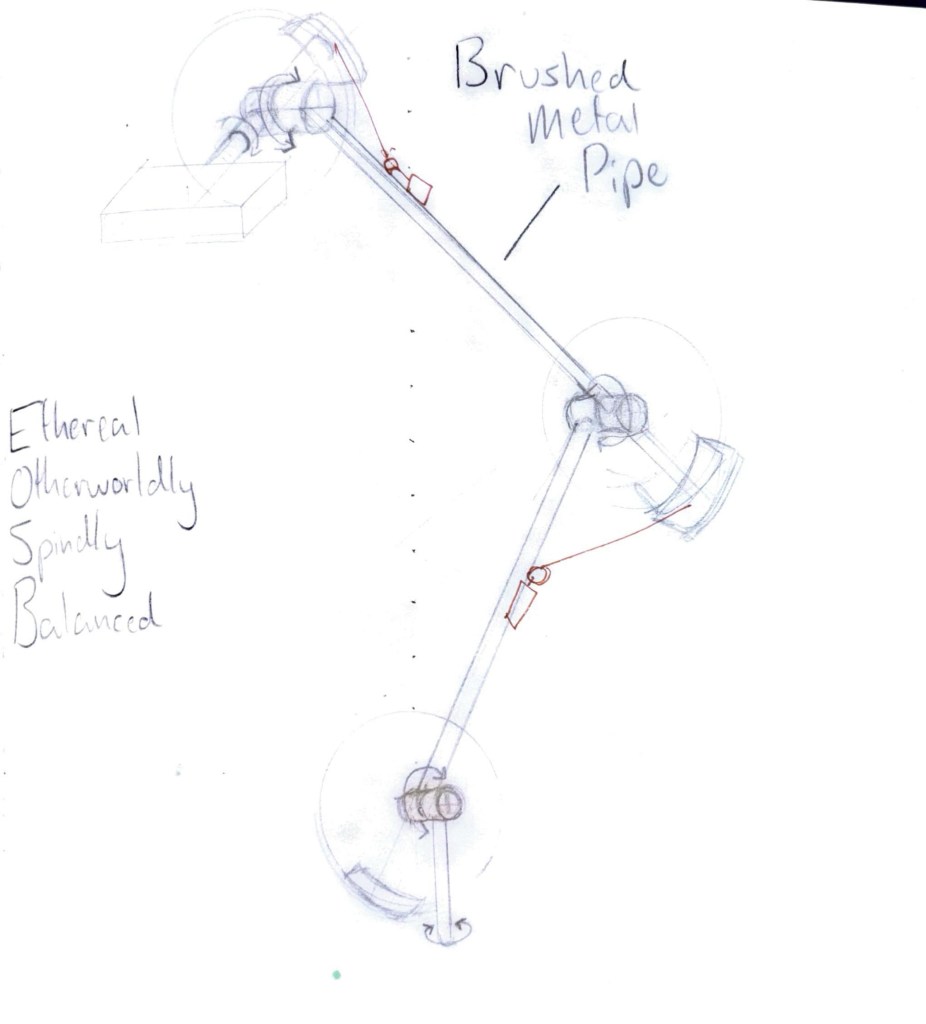

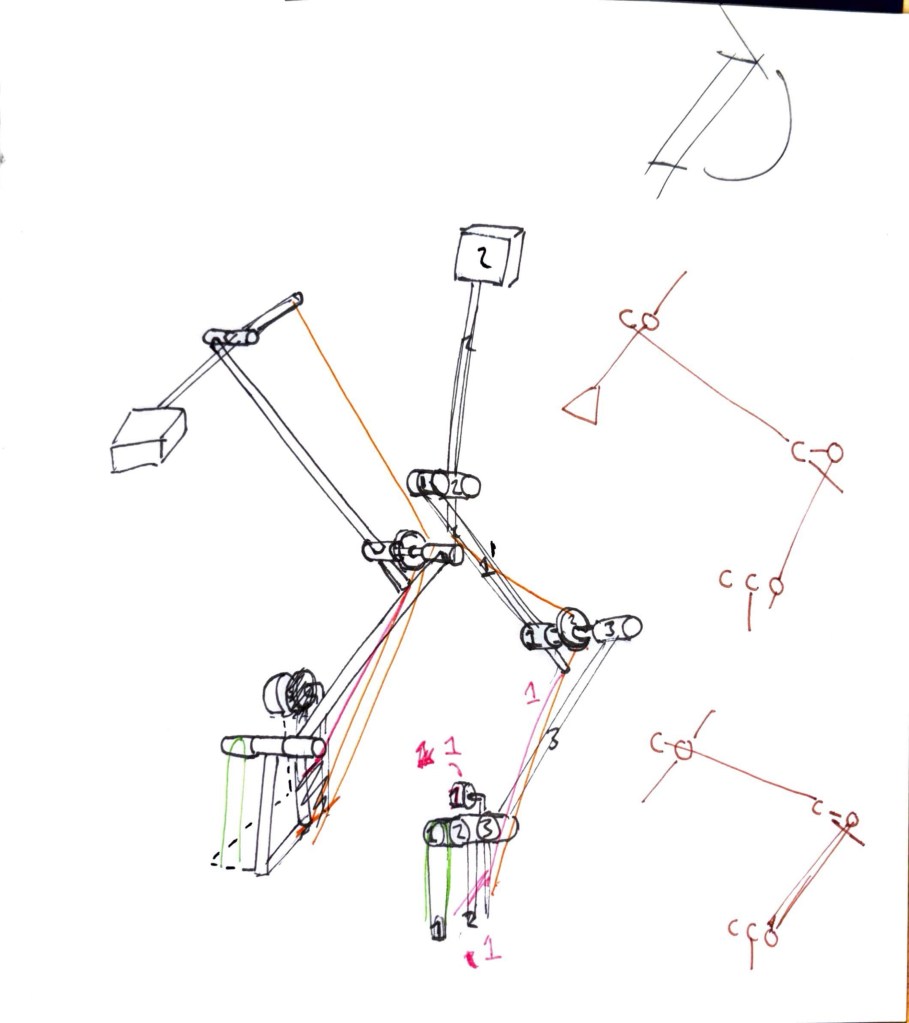
Understanding the pulleys for motion 
Lengths of each pipe 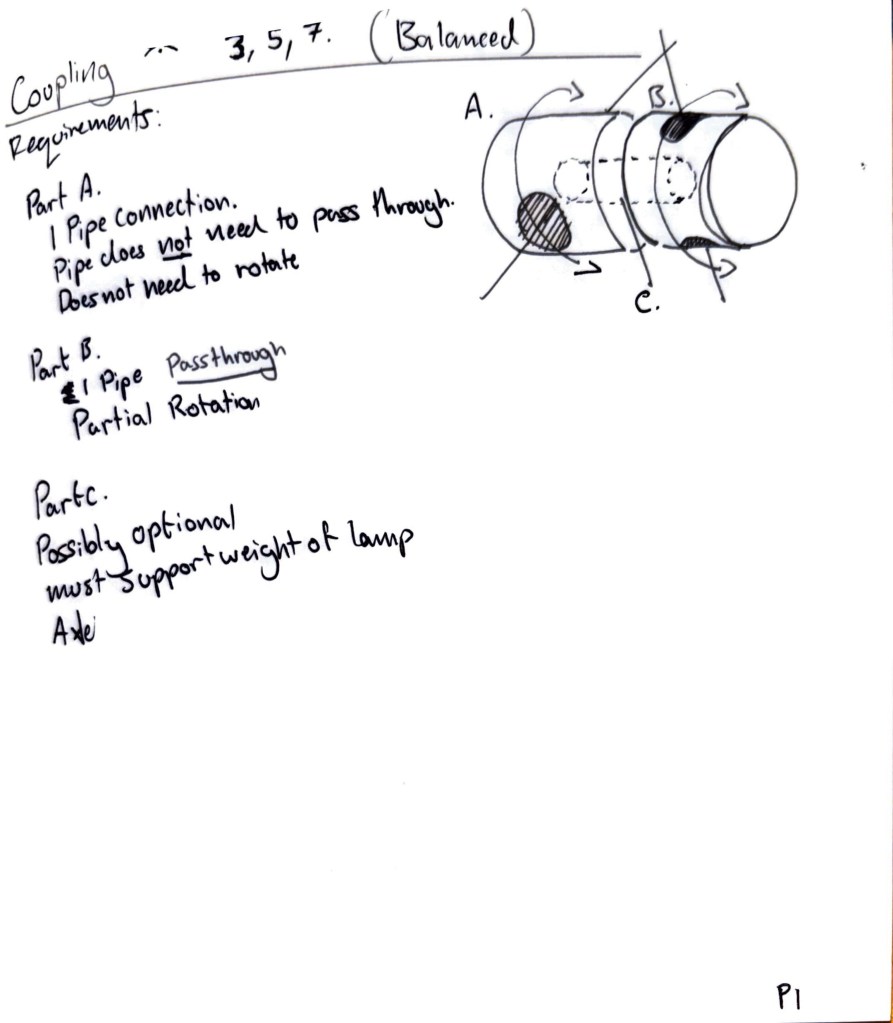
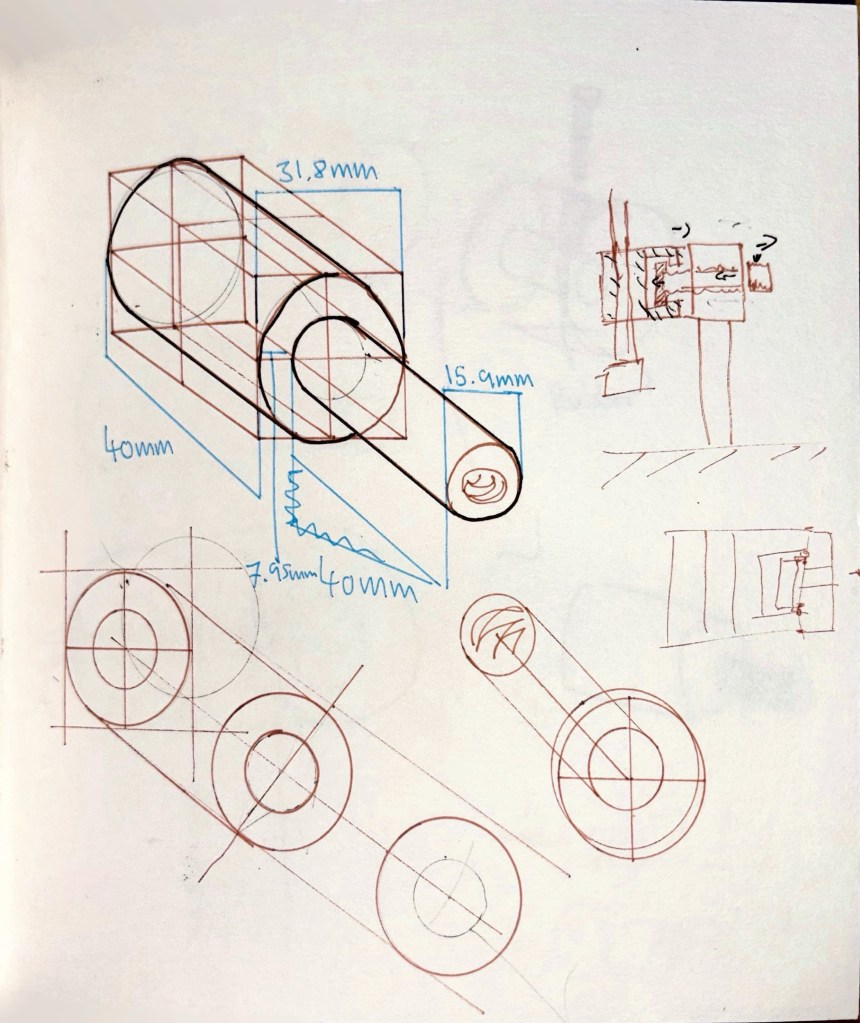
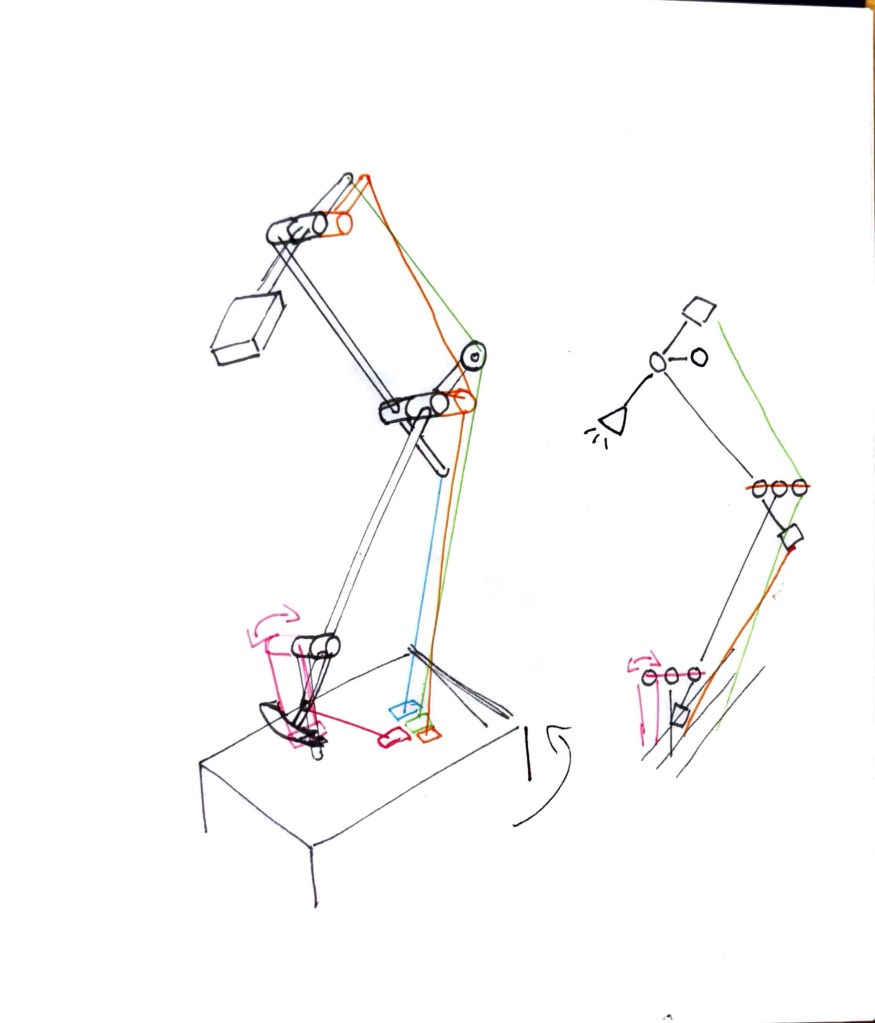
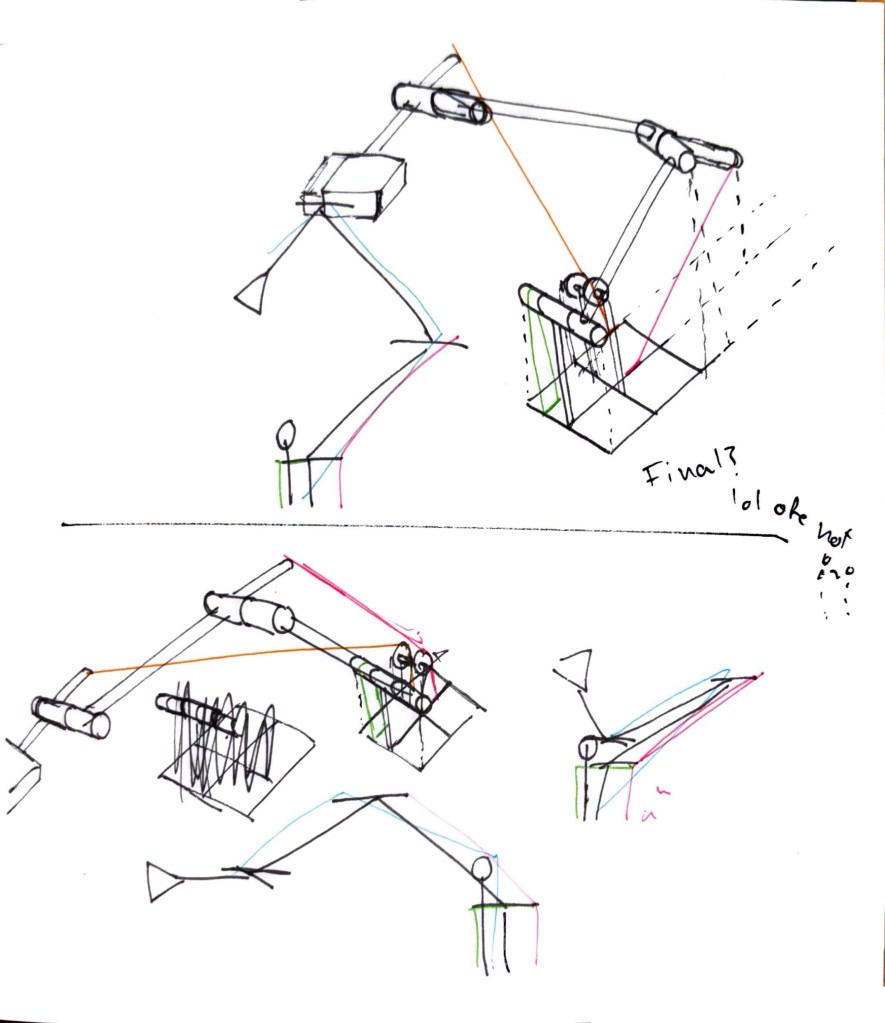
Checking for pulley collisions 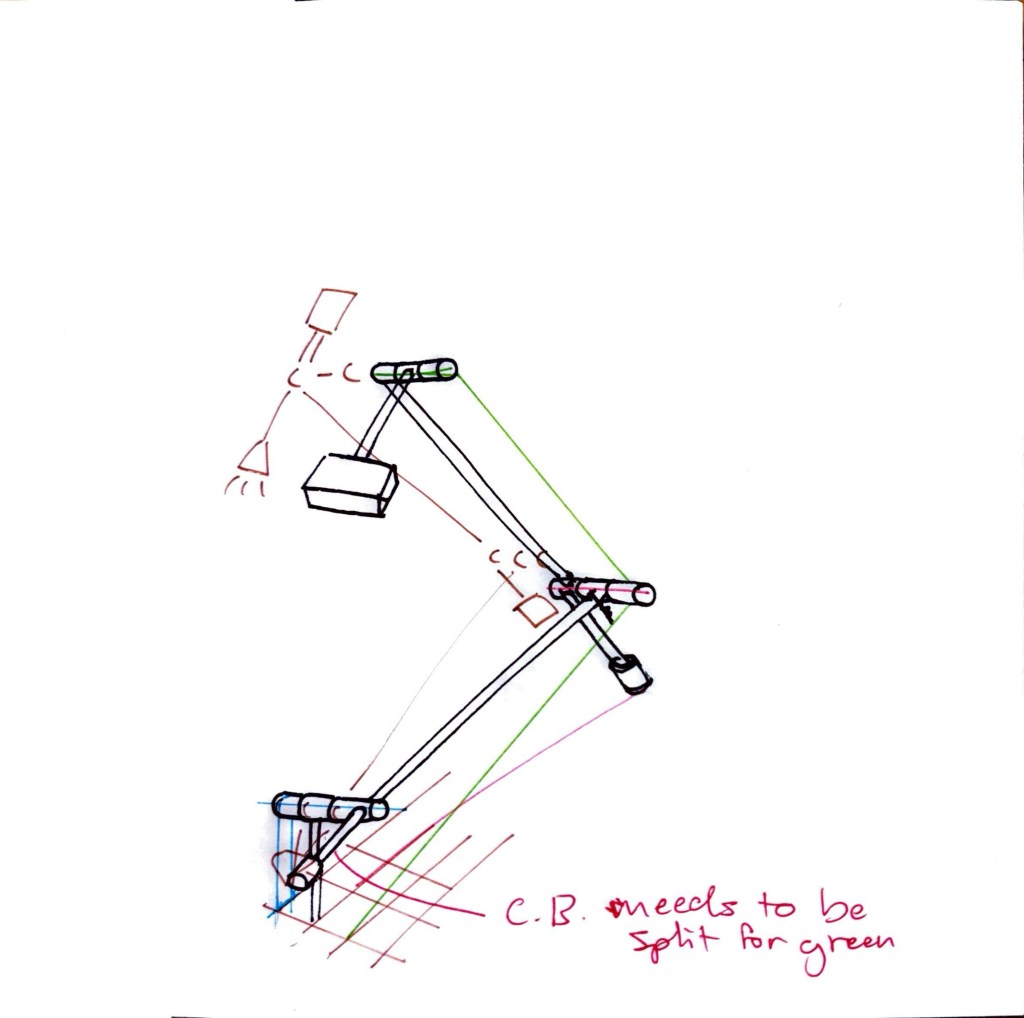
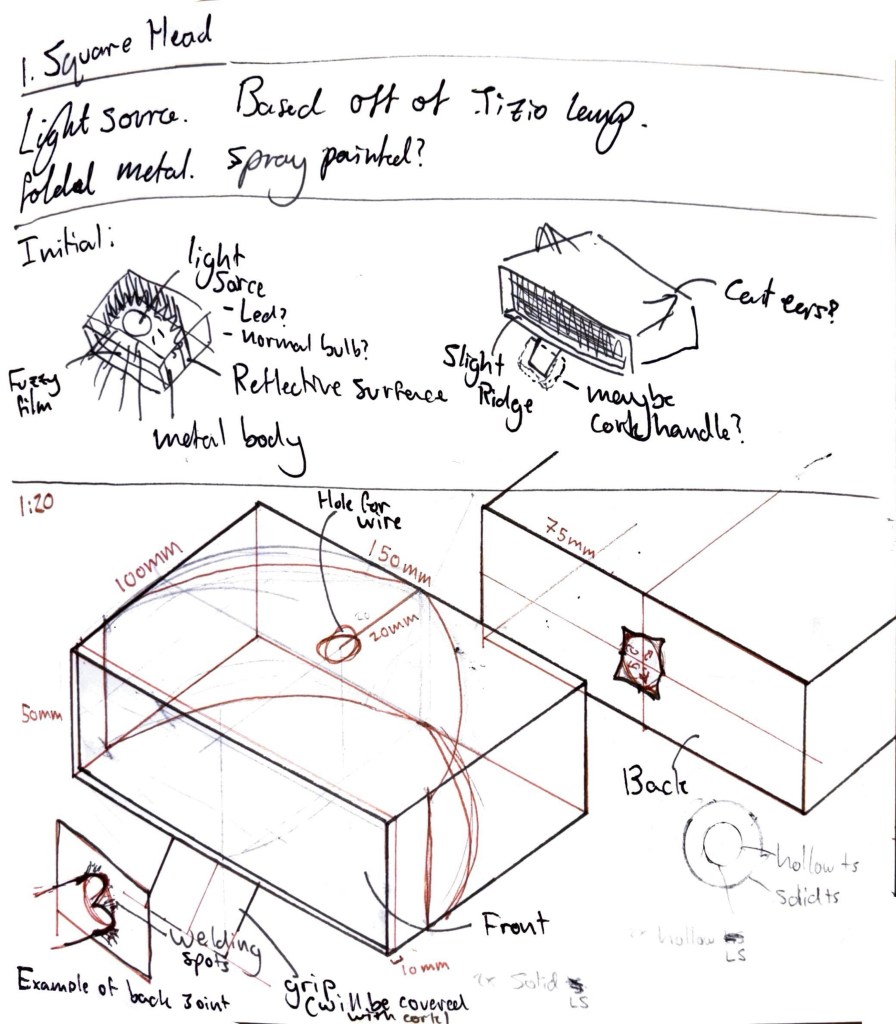
Building
Metal Works
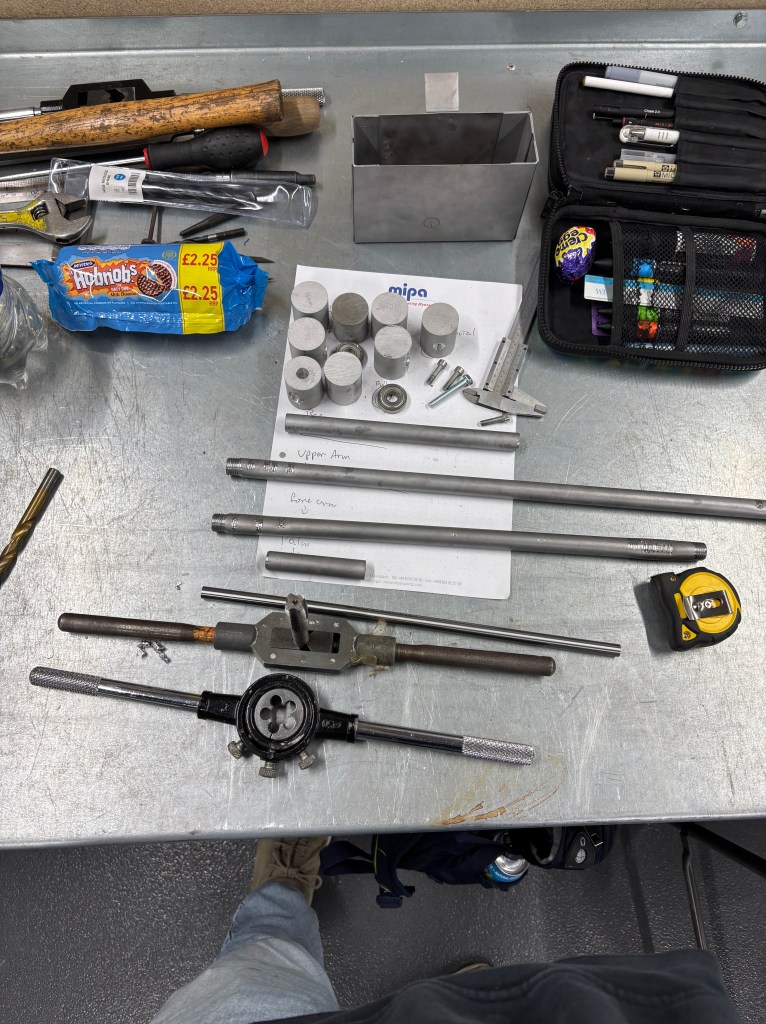
I was spending the majority of my time at this point in the metal workshop. Since I did not yet have my lathe induction, I had to make use of the limited time by doing whatever could be done without a lathe: cutting the aluminium bar and steel pipe.
Joining
My original plan was to weld the steel pipe to the aluminium bar, however this turned out to not be possible due to the different melting temperatures of metals. At this point I was threading the holes for the bolts that would lock the hinges, and it occurred to me to simply thread the pipes and just screw them into the aluminium.
Bump in the Road
For the axle I planned to have threading to screw bolts and stop the hinges from falling off. The axle was made originally silver steel, a dense form of steel that feels indestructible when held.
Knowing this, one might have thought twice about threading it with a regular steel tap, but not me apparently. The tap snapped off while lodged deep inside the silver steel, with 0 chance of recovery.
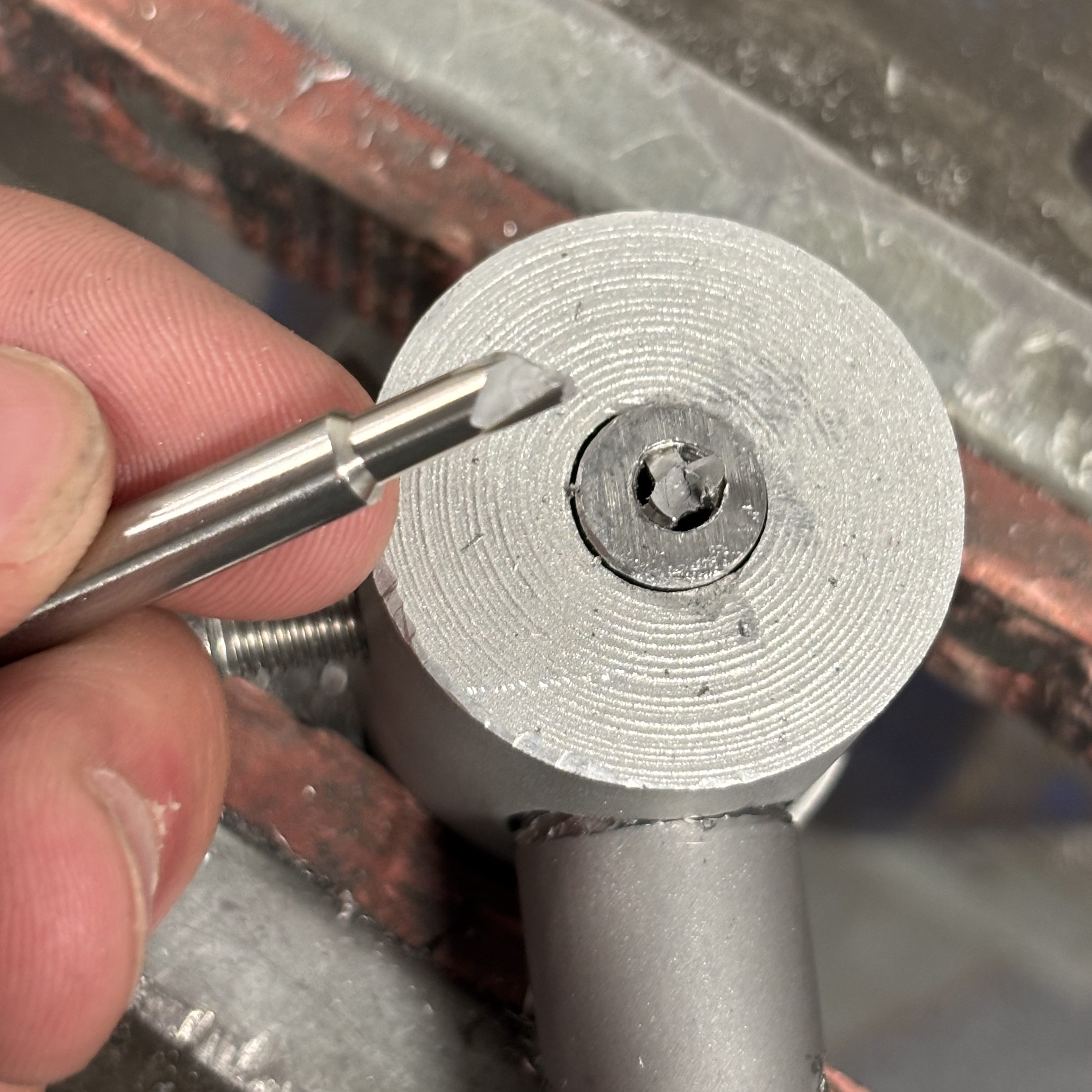
Having no choice but to work around the blunder, I opted to switch to aluminium pipe for the axle. This decision added the benefit of a pre-manufactured hole, so I wouldn’t need to drill before tapping.
Quick Fix
The next issue was that at some connections where the pipe screws into the hinge, the connection is very loose, and ruins the feel of the entire lamp when adjusting. This was solved in a patchwork manner with a metal epoxy that hardens over night. Not ideal, but I’d rather this than redo both the pipe and the hinge.
The bolt used to lock the hinge to the axle was successful, even being able to adjust the friction to such a degree that the lamp would remain in position while still being adjustable.
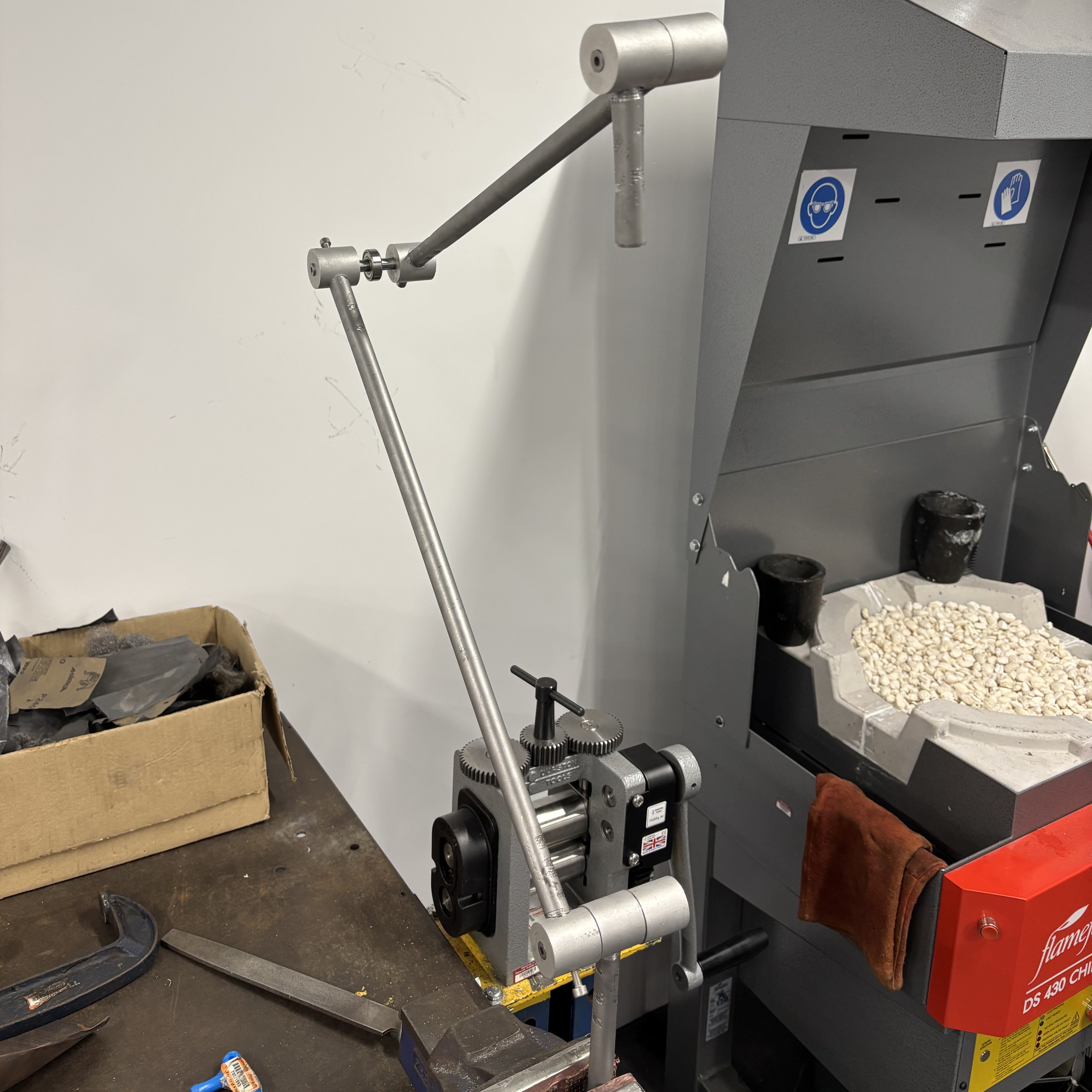
The lamp head, the base, and final polish, were the final steps before I could consider the metal-work complete.
Adding Life, and Retrospective
Time of Writing: 19th April, 2025 – 18 Days before deadline.
The original idea was to create a lamp that could move, using an Arduino circuit board and stepper motors. The lamp would eventually respond to hand movements, but I would be satisfied with even just the occasional random movement to the lamp for the final showcase.
I write this, slightly pessimistic of my chances, since the lack of initial prototyping is starting to show more problems – something I already expected, but still frustrating.
My main issue is that I have little to no experience with “proper” electronics, as oppose to the circuit building (although I have extremely minimal experience in even that by this point.)
My secondary issue is that at time of writing, the lamp is mostly constructed, but I have no base to attach it to. I want the lamp to be able to rotate, but the lamp is too heavy for anything except the heaviest of bases, given how far it can reach. This is why the most practical solution for a base is a clamp, that would attach to a table or desk (or in a more industrial context, a ceiling beam or an I-beam pillar.)
This will have to be the solution, but it’s a shame that I won’t be able to have the lamp rotating, since this hinders my future prospects with the project.
The working plan was to have 3 phases:
- Phase 1
- A lamp
- Phase 2
- A lamp that makes pseudo-random movements every so often.
- Phase 3
- A lamp that tracks and follows the users hand with gesture recognition.
At week 11 of 12, even phase one is looking optimistic. I had hoped that I would be able to do most of the electronics at home, but without the base done, I have nowhere to house the electronics safely, without risk of shock.
- Phase 1
Finishing Touches
Last additions to neaten up
I added a fabric cover over the head, as the sheet metal would rust very quickly, especially where touched. The fabric is glued on, and is folded over the front facing edges of the lamp head.
For the presentation, I plan to have a battery powered torch behind some translucent film, which should effectively convey what I envision as close to the final product.
Near the hinges, the steel pipes have marks gnawed into them by the vices while threading. These are quite unsightly in my opinion, but any efforts to cover them up would ultimately just draw more attention to them. Thus I have decided to leave them as they are – covering them up going against the original design philosophy anyway.
Additional Prototypes
The brief required 5 prototypes, or 5 objects
This project was always ambitious – but making 5 of these lamps would be basically impossible. Because I still require 5 products, however, I have come up with a few more designs for bases the lamp could attach to.

These 5 sketches give a good idea of the different possibilities when it comes to fastening the lamp to a surface or structure.
- Flat Base
- The flat base is the simplest of the options, being a simple base that would need to be quite heavy and/or large to counter the weight of the fully extended lamp.
- Wall Clamp
- Using a similar mounting process as the a wall-mounted TV, a wall clamp could minimise the lamps footprint, while still being as functional as possible. The only draw back would be effort of instillation, and commitment of positioning.
- Wearable Base
- A fun and novel idea; the wearable base would be a portable version of the lamp that would attach to either a backpack or a shoulder strap. This could be very useful for people who require both hands while also needing a light source. ie paramedics. The lamp wouldn’t be nearly as useful if it didn’t have any AI functionality, or without being significantly lighter.
- Rail Base
- This base would be attached and integrated into a desk or workspace. the idea is that the lamp could move along a conveyer and reach any part of the desk, useful for long desks which would require multiple light sources.
- Clamp Base
- The base I ultimately went for, due to its light-weight qualities, and ease of setup. The clamp keeps the profile of the lamp much smaller, making transport of the object much easier, while still being able to hold the lamp’s weight while fully extended.
- Flat Base
Final Thoughts
This project was always ambitious, and while I haven’t managed to complete the project in it’s entirety, I still believe that both the process and the final outcome was something to be proud of.
I have learnt a lot during this project, arguably more than that of any project prior. I’ve not only broken the ice with many disciplines, but even gained real, quantifiable experience with coding, electronics, mechanical design, and metalwork.I leave this project feeling uniquely prepared for any further projects to come, and I do not regret taking the risks associated with such a difficult and time consuming project.
While I didn’t manage to integrate AI, or even basic motion, my final product is still very presentable. A lamp that can be used and even adjusted with such a unique design is not an easy task to complete in just 3 months (one of which spent away from any workshops).
I’ve learnt a huge amount about materials, a topic I was particularly weak in, and I’ve overcome major difficulties to get the project to where it is now.The trade-offs such as a fixed base, rather than a rotating one, give me valuable experience into this kind of decision making, which will certainly help future projects to come.
I believe that the final product, whilst not having the magic that was originally envisioned with the project, still holds the core values and inspirations I wanted in the first week. In previous projects, I have struggled to stay on one working line, often diverging with no logic backing me up; however I have learnt from previous projects, and have taking inspiration and core values seriously and designed off of them, rather than trying to mould the design philosophy around the finished project.
The idea of a lamp that can recognise someone’s hand gestures and follow their hand automatically is a completely original concept. I take pride in knowing that I have designed something unique, in both interaction and form.This lamp started as a delve into provenance: “the beginning of something’s existence; something’s origin.” I believe that this lamp shows a journey of discovery and self exploration, as well as a marker for a much larger project down the road. More than a product, the Living Lamp brings into question the authority of an object, and a users relationship with said object.
It is here that I begin a more tangential talk about AI, and the relationship between users and objects – a relationship I take great interest in. This does not hold much significance to my thoughts about the lamp itself.
The Living Lamp will force the user to think about how they incorporate technology into their lives. Do you want a lamp that pretends to have emotions? Would you prefer a static lamp, or just a lamp that does as it’s told? Where do you place the role of technology in your head? If AI becomes sentient, a possibility not yet ruled out by scientists and philosophers alike, would that change your outlook on objects, with or without AI?
There are many fascinating ethical questions and dilemmas that AI may very well force us to consider. Perhaps I will design more objects that force users to reconsider things that seemed unimportant or obvious beforehand. I think that would be pretty cool.
Opinions on AI differ greatly depending on who you ask, from stochastic parrots, to plagiarism machines, to almost sentient miracles, to the downfall of society, to the thing that will save us all. Personally, I try to hold off on having too many opinions, an exception being that I don’t believe anyone is qualified enough to have reasonable, balanced opinions on everything. I can, however, design objects that question people’s beliefs.
Beyond
This project is far from over.
Even after the deadline, this project is far from over.
Perhaps even in a years time, this project will still be far from over.I will keep working on this project outside of the 12 week module. This product has become something of a passion-project for me, and it still holds my keen interest in the same starry eyed manner it did when I spoke to my brother about it all those weeks ago.
I will continue to prototype, and will continue to learn. Learn about robotics, electronics, coding, mechanics, design, artificial intelligence, and human-object interaction.
Perhaps when I have integrated motion and intelligence, AI models will have become efficient enough to run on Raspberry Pi mini computers, and each lamp will have it’s own unique personality that responds to, and evolves with it’s owner.
 Raphael Murray Browne